

Licensed Psychologist, Founder
Jessica January Behr, Psy.D.
who we help
Support for the people who spend their days holding everyone else together, in person on the Upper West Side or online across New York and New Jersey.

We understand
You're the one everyone leans on, and there's rarely a moment to set any of it down. Long shifts and overnight rotations wear on your sleep and your relationships, and the hard cases stay with you long after you clock out. You may carry moral distress from decisions made under pressure, or feel like asking for help yourself goes against everything your training taught you. Burnout, anxiety, and grief are common in this work, and none of it means you're doing it wrong.
Healthcare work covers many roles, from nurses and physicians to paramedics and mental health providers, and the strain shows up in all of them. People often come in because of a change they notice in themselves: feeling detached from patients, a smaller sense of accomplishment, a shorter fuse at home, or sleep that never quite recovers.
Many also hesitate to ask for help, because they worry it could damage their credibility, affect their licensure, or look like weakness. That worry is common in this field, and it is fine to ask about privacy and how therapy works before you commit to anything.
Therapy is collaborative: you set the direction, and your therapist chooses methods to fit it. Our clinicians draw on approaches such as cognitive behavioral therapy and mindfulness-based therapy, practical when you need tools and slower when something needs more room.
When a specific concern needs closer attention, we connect it to focused support such as anxiety, grief and loss, or trauma. You can also read our article on burnout in healthcare workers, which describes the signs of burnout and why the field is so hard on the people in it.
select your therapist
Licensed Psychologist, Founder
Jessica January Behr, Psy.D.

Licensed Psychologist
Jorge Alcantar Heredia, Psy.D.

Licensed Psychologist
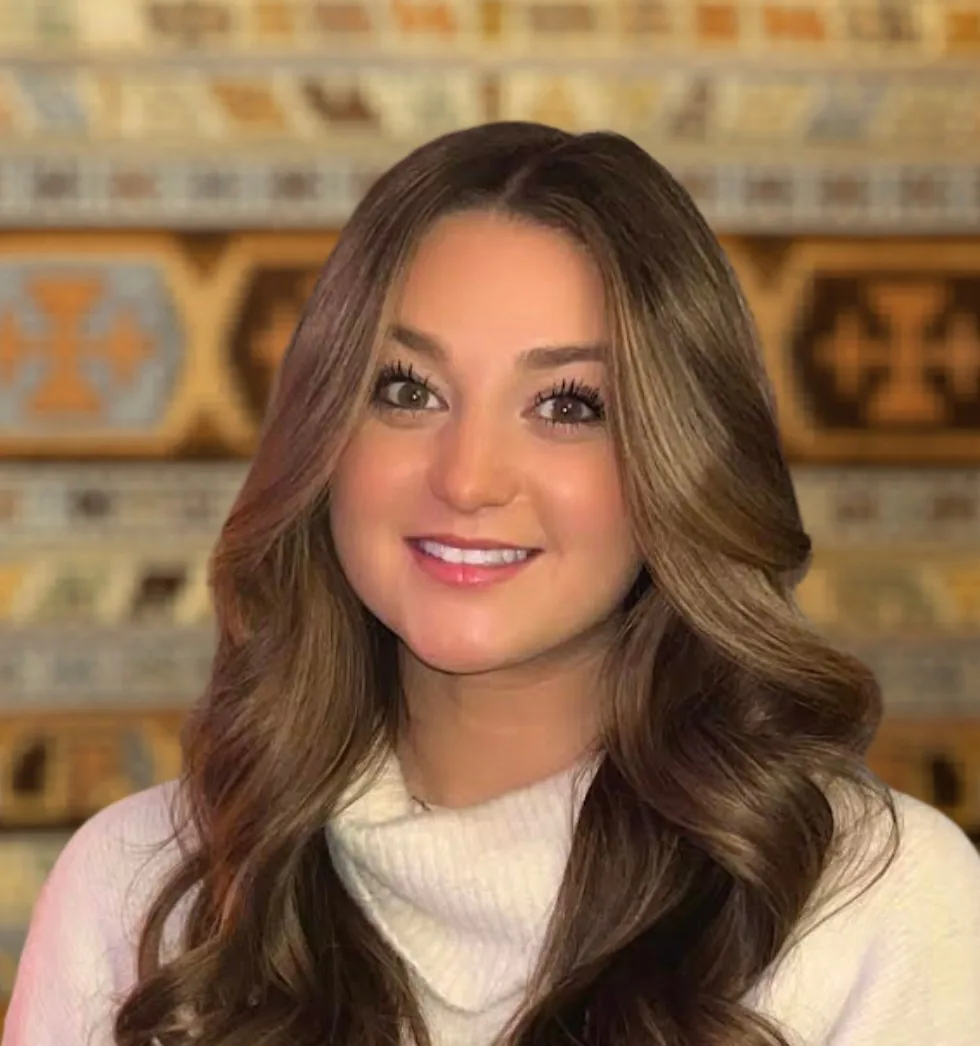
Katherine Alvarez, Psy.D.
Licensed Therapist
Lauren Bailey, LMSW

Licensed Therapist
Carli Betman, LCSW

Licensed Therapist
Jessica Boerma, LCSW

Mental Health Counselor - Limited Permit
Whitney Cetoute, MHC-LP

Psychologist, Post-Doctoral Fellow
Alexandra Chechik-Van Dijk, Psy.D.

Licensed Therapist
Melissa Donovan, LCSW

Psychologist, Post-Doctoral Fellow
Angela Flanagan, Psy.D.

Licensed Psychologist
Nofar Glisko, Psy.D.

Licensed Therapist
Jennifer Gutmann, LCSW

Licensed Therapist
Jason Hill, LCSW

Psychologist, Post-Doctoral Fellow
Sarina Hilowitz, Psy.D.

Licensed Therapist
Hansee Karamchandani, LMSW

Licensed Therapist
Shelby Keyworth, LCSW

Licensed Therapist
Chase Klein, LMSW

Licensed Psychologist
Shoshana Linzer, Psy.D.

Licensed Psychologist
Rihab Mahmood, Psy.D.
Licensed Therapist
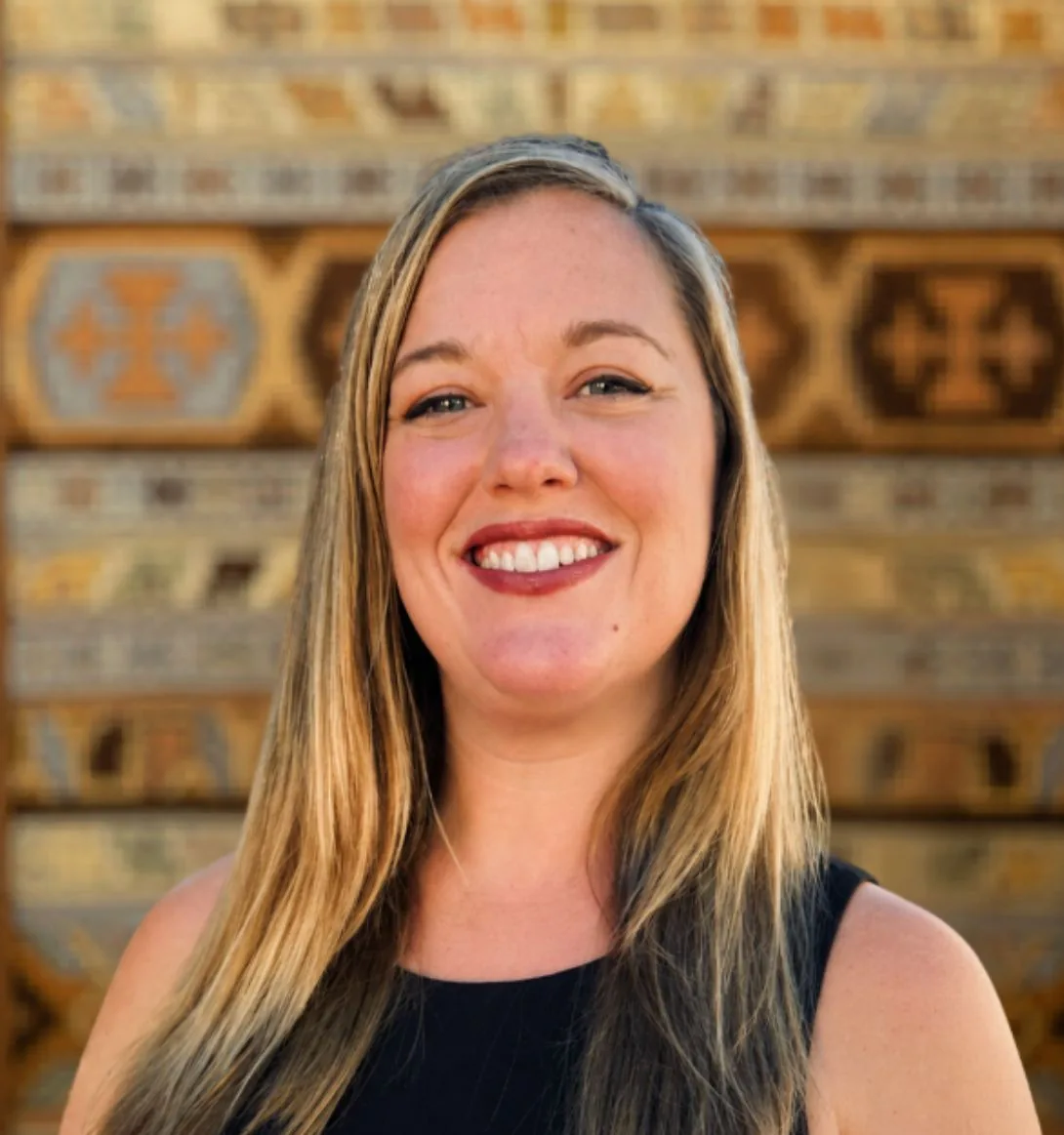
Kailey McGarvey, LMSW
Psychologist, Post-Doctoral Fellow
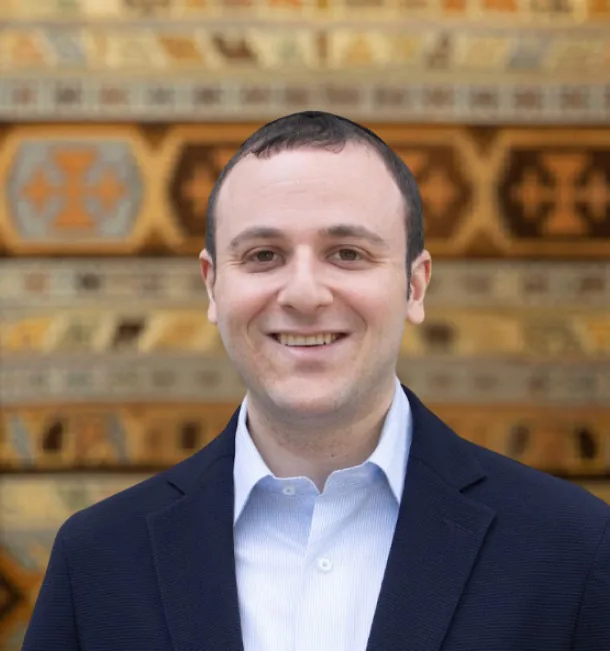
Eitan Metzger, Psy.D.

Licensed Therapist
Isaac Moss, LMSW

Licensed Psychologist
Brandon Patallo, Ph.D.

Psychologist, Post-Doctoral Fellow
Victoria Phoenix, Psy.D.

Licensed Therapist
John Pitman, LCSW

Licensed Psychologist
Jae Hun Shin, Ph.D.

Licensed Therapist
Miriam Weiss, LMSW

Licensed Therapist
Brynn Werner Silverstein, LCSW

Licensed Clinical Psychologist
Alejandra Zamora, Psy.D.
How we work
We'll match you with a clinician who works with people in healthcare and understands the realities of the field. You can meet in person at our Upper West Side office, across from Central Park, or online anywhere in New York and New Jersey.
The first session is mostly a conversation about what brings you in and what you would like to be different, so there is nothing to prepare. We can also go over insurance and fees before you start.
questions and answers
Yes. Therapy is confidential, with a few narrow legal exceptions your therapist will explain at the outset, such as a serious risk of harm. If you have questions about privacy, you can ask them before you begin.
Burnout is more than being tired after a long shift: it is a state of emotional, physical, and mental exhaustion caused by prolonged and excessive stress. Therapy gives you a place to look at what is wearing you down and what you can do about it.
That is a common place to start, and you do not need to name it before you reach out. Your therapist will ask what you have been experiencing and help you make sense of it together.
Online sessions can make therapy easier to fit around long or irregular hours, and you can tell us what your schedule looks like when you reach out so we can look at what is possible.
Ready to begin
