
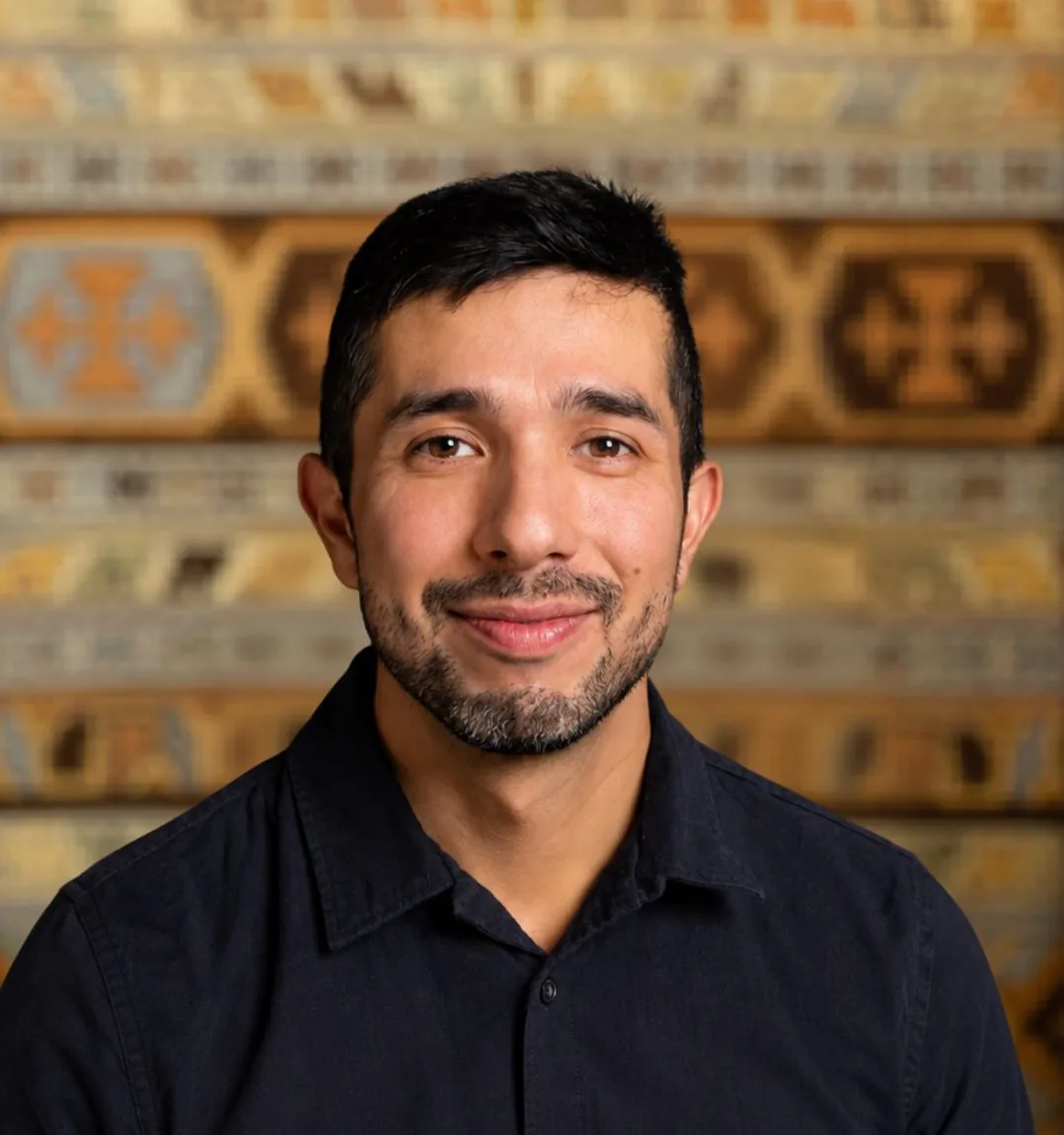
Licensed Psychologist
Jorge Alcantar Heredia, Psy.D.
who we help
Good therapy accounts for the full context of your life, including race, culture, and the experiences that come with them. Several of the clinicians below describe their style as culturally responsive, so you can spend sessions on the work instead of explaining the basics.

We understand
The work often touches experiences of racism and discrimination, the stress of being one of few in a workplace or school, code-switching and belonging, and patterns carried through families across generations. It can also be the ordinary stuff of life, such as anxiety, depression, and relationships, handled with cultural context rather than left at the door.
These experiences are not abstract, and naming them openly is often part of the work. Our page on intersectionality describes how race, gender, sexuality, and class combine to shape experience, and how therapy can help with discrimination and identity conflicts.
Being culturally responsive is not about a therapist sharing your exact background. It means they understand how culture, race, and systemic stress shape mental health, keep your context in the room rather than treating it as a side note, and stay aware of their own assumptions.
If your story also includes immigration, a first-generation family, or a faith tradition, our pages on therapy for immigrants and first-gen clients and on religion and culture speak to those parts of it.
We match you with a therapist whose background and training fit what you are looking for. Our clinicians draw on evidence-based approaches such as cognitive behavioral therapy and, where trauma is involved, EMDR, adapted to your goals.
On their profiles, the clinicians listed here share the communities they serve, and some list the languages they speak, including Spanish and Korean. When a concern needs closer attention, we link it to support such as trauma, anxiety, depression, relationship problems, or life transitions.
select your therapist
Licensed Psychologist
Jorge Alcantar Heredia, Psy.D.
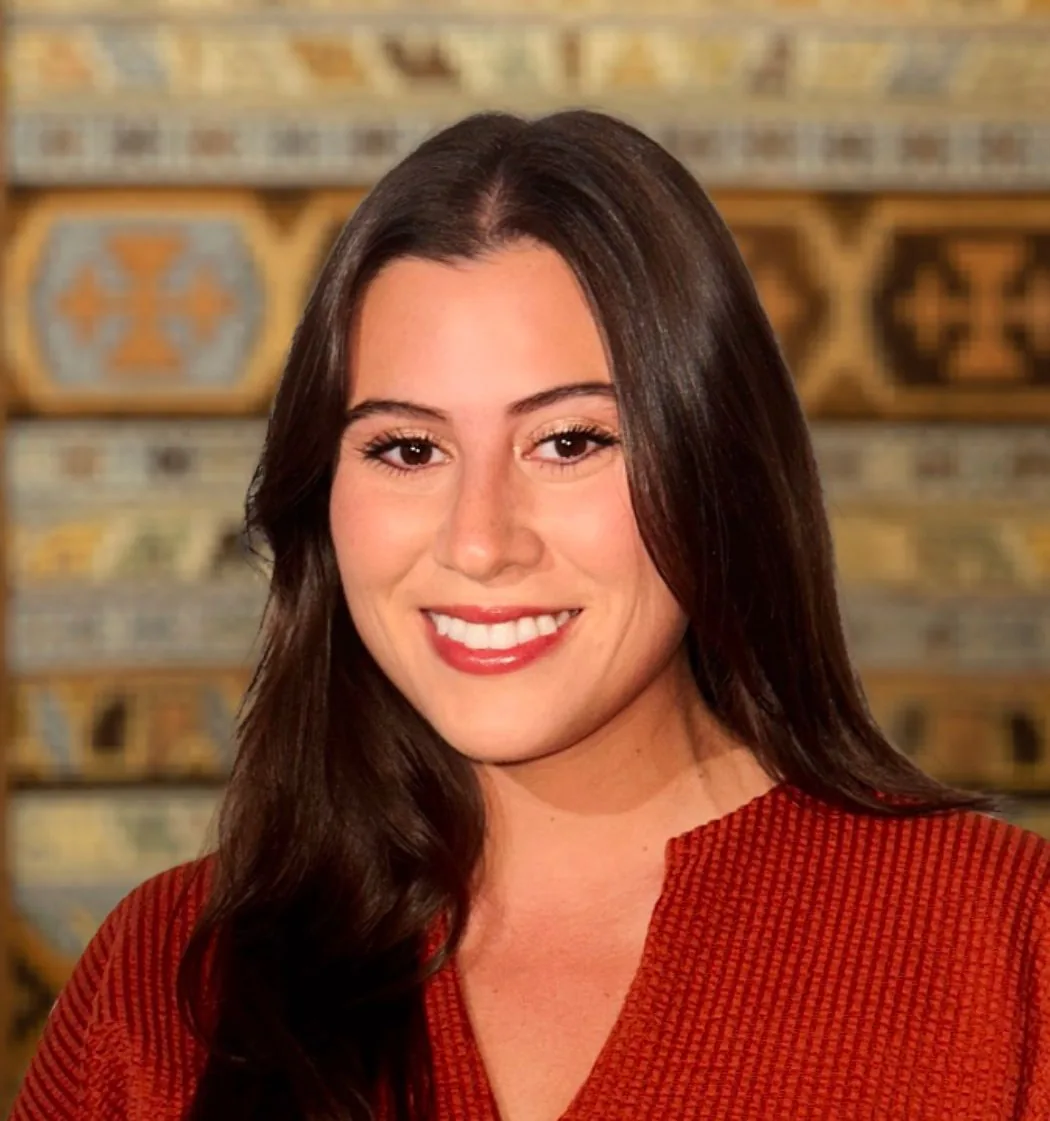
Licensed Psychologist
Katherine Alvarez, Psy.D.
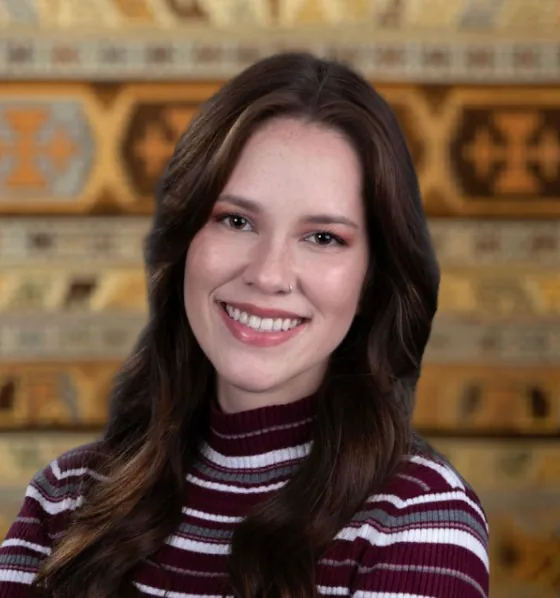
Psychologist, Post-Doctoral Fellow
Angela Flanagan, Psy.D.

Licensed Therapist
Jason Hill, LCSW
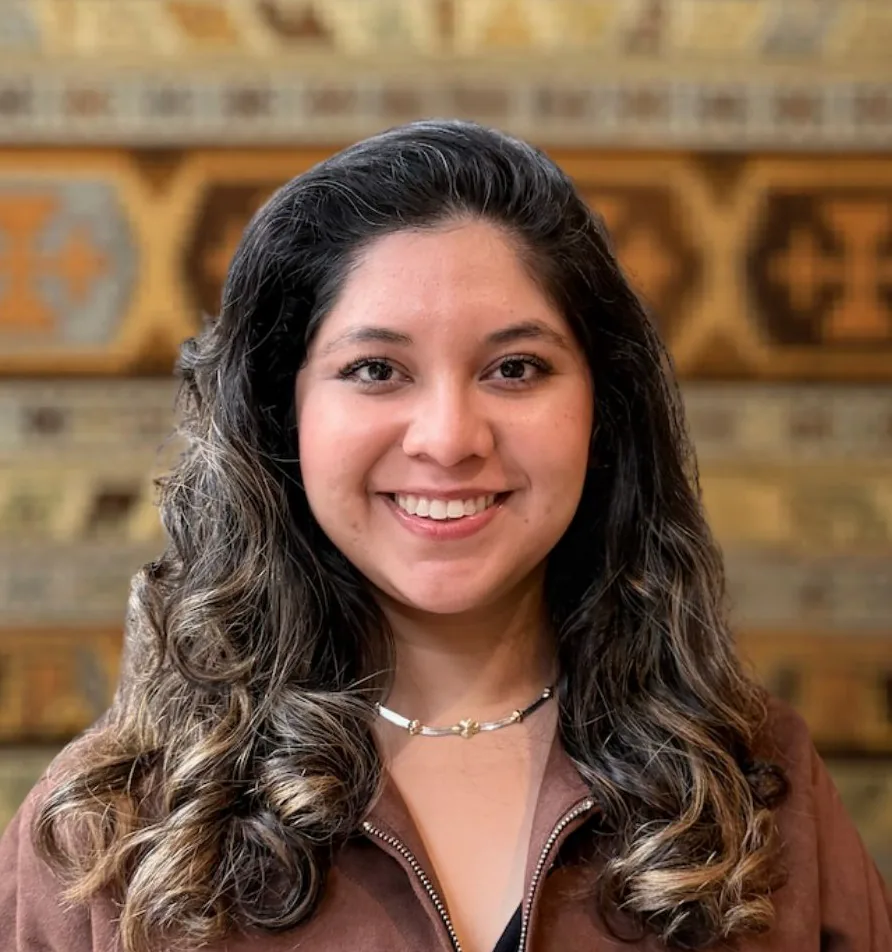
Licensed Therapist
Hansee Karamchandani, LMSW
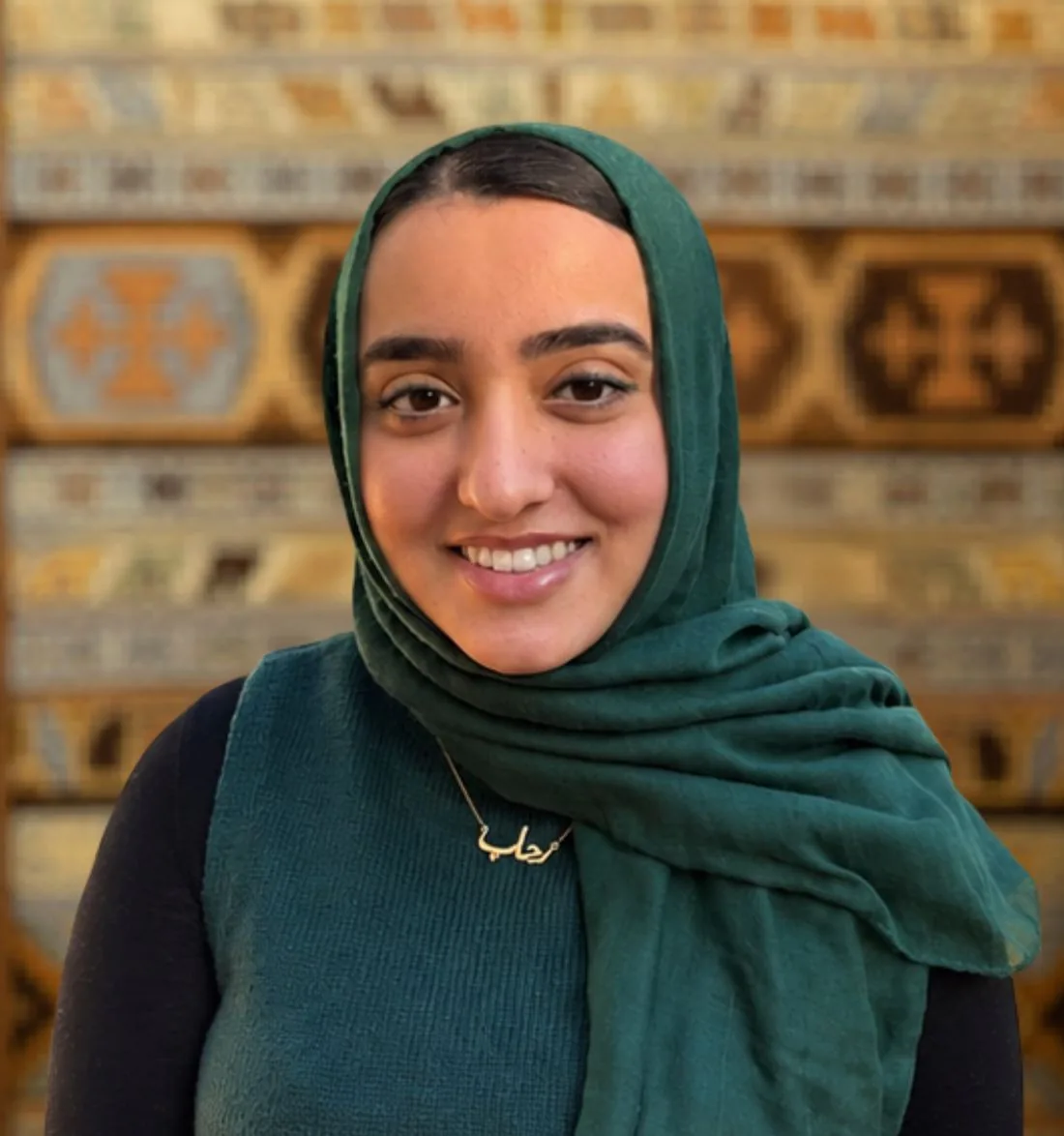
Licensed Psychologist
Rihab Mahmood, Psy.D.
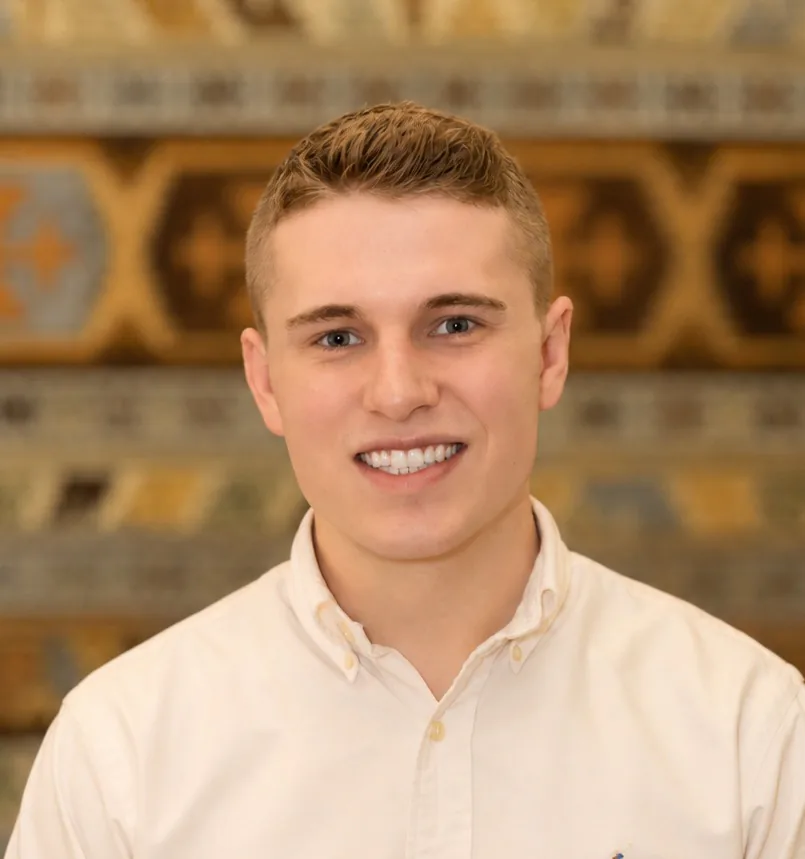
Licensed Therapist
Isaac Moss, LMSW

Licensed Psychologist
Brandon Patallo, Ph.D.
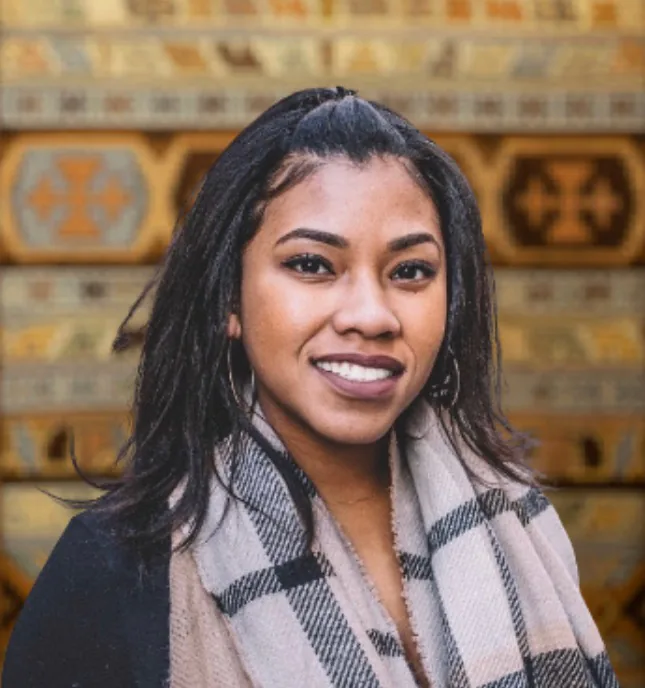
Psychologist, Post-Doctoral Fellow
Victoria Phoenix, Psy.D.
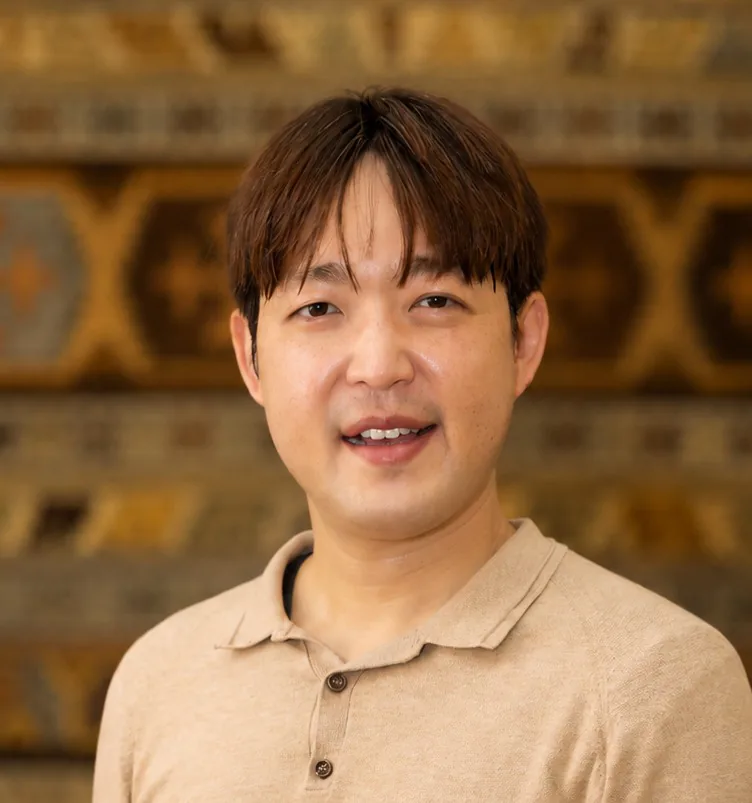
Licensed Psychologist
Jae Hun Shin, Ph.D.
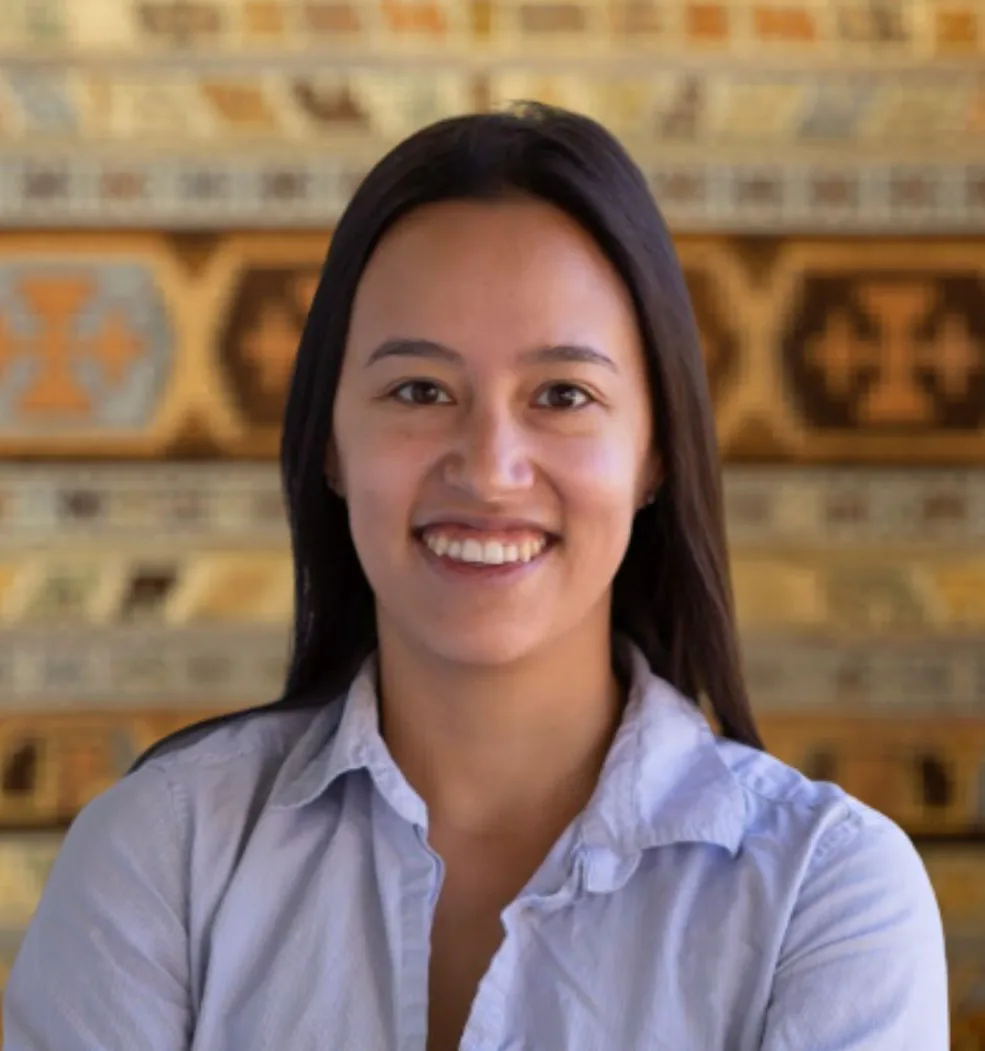
Licensed Clinical Psychologist
Alejandra Zamora, Psy.D.
How we work
The first session is a chance to tell your therapist what brings you in and to notice whether the fit feels right. You set the pace, and you decide how much context you want to get into and when.
Sessions are online for clients in New York and, with clinicians licensed there, in New Jersey. Some of the clinicians listed here also see clients in person at our Upper West Side office in New York City, and each profile shows where that clinician sees clients and where they are licensed. We can walk you through insurance and fees before your first appointment.
questions and answers
No. Cultural responsiveness is about understanding and humility, not matching identities. Some clients do prefer a shared background, and you can tell us what matters to you so we can do our best to connect you with the right therapist.
Yes. The strain of discrimination and of being one of few in a space is real, and it can weigh on how you feel day to day. A culturally responsive therapist treats it as part of the work, not a distraction from it.
That happens, and it is worth naming early. You are allowed to ask about a therapist's experience and approach before you commit.
Therapy cannot undo systemic racism, but it does more than teach coping. It acknowledges the real impact of discrimination, helps you protect your well-being, and supports you in responding on your own terms rather than carrying it silently.
If you are in crisis or thinking about harming yourself, call or text 988 to reach the Suicide & Crisis Lifeline (US), free and confidential, 24/7.
This page is for general education and is not a substitute for professional diagnosis or treatment.
Ready to begin
See our therapists and their areas of focus, or request an appointment to find the right fit.
