

Licensed Psychologist, Founder
Jessica January Behr, Psy.D.
who we help
The first session, sometimes called an intake, can feel like the hardest one to book. Knowing what happens takes some of the pressure off.

We understand
A first appointment starts with some practical steps: a short conversation over the phone. We will help find the best fit therapist for you based on your needs. We'll also sort out scheduling as well as insurance and fees.
Most of a first session is you telling your therapist what brings you in, in your own words. They will ask questions to understand your history, what you are hoping to change, and what has and has not helped before. You do not need to have it all organized. Half-formed is completely fine, and "I am not sure where to start" is a normal place to start.
You are also welcome to ask questions: how the therapist works, what experience they have with concerns like yours, and what the schedule and pace might look like. Good therapists expect this and answer it openly.
An intake is as much your evaluation of the therapist as theirs of the situation. You are allowed to notice whether you feel comfortable, whether you feel heard, and whether this is someone you can picture working with. An American Psychological Association task force concluded that a number of relationship factors in therapy are at least as vital to a positive outcome as using the right treatment method, so the fit is not a small thing. If it is not right, a good therapist will help you find a better match rather than take it personally.
select your therapist
Licensed Psychologist, Founder
Jessica January Behr, Psy.D.

Licensed Psychologist
Jorge Alcantar Heredia, Psy.D.

Licensed Psychologist
Katherine Alvarez, Psy.D.

Licensed Therapist
Lauren Bailey, LMSW

Licensed Therapist
Carli Betman, LCSW
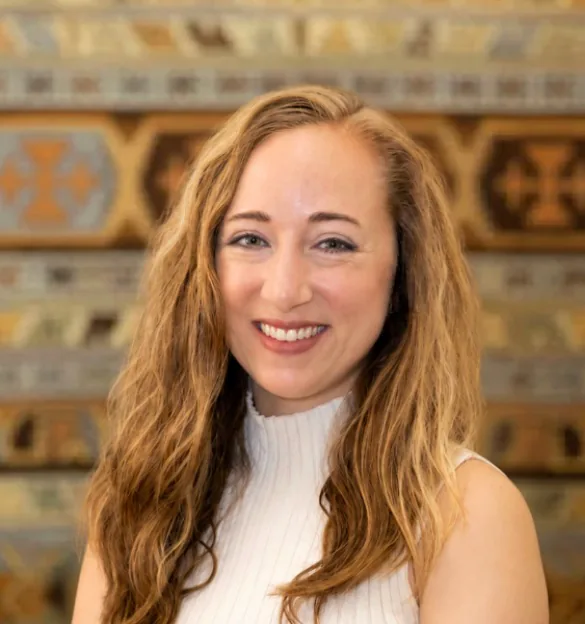
Licensed Therapist
Jessica Boerma, LCSW

Mental Health Counselor - Limited Permit
Whitney Cetoute, MHC-LP

Psychologist, Post-Doctoral Fellow
Alexandra Chechik-Van Dijk, Psy.D.

Licensed Therapist
Melissa Donovan, LCSW

Psychologist, Post-Doctoral Fellow
Angela Flanagan, Psy.D.

Licensed Psychologist
Nofar Glisko, Psy.D.

Licensed Therapist
Jennifer Gutmann, LCSW

Licensed Therapist
Jason Hill, LCSW

Psychologist, Post-Doctoral Fellow
Sarina Hilowitz, Psy.D.

Licensed Therapist
Hansee Karamchandani, LMSW

Licensed Therapist
Shelby Keyworth, LCSW

Licensed Therapist
Chase Klein, LMSW

Licensed Psychologist
Shoshana Linzer, Psy.D.

Licensed Psychologist
Rihab Mahmood, Psy.D.
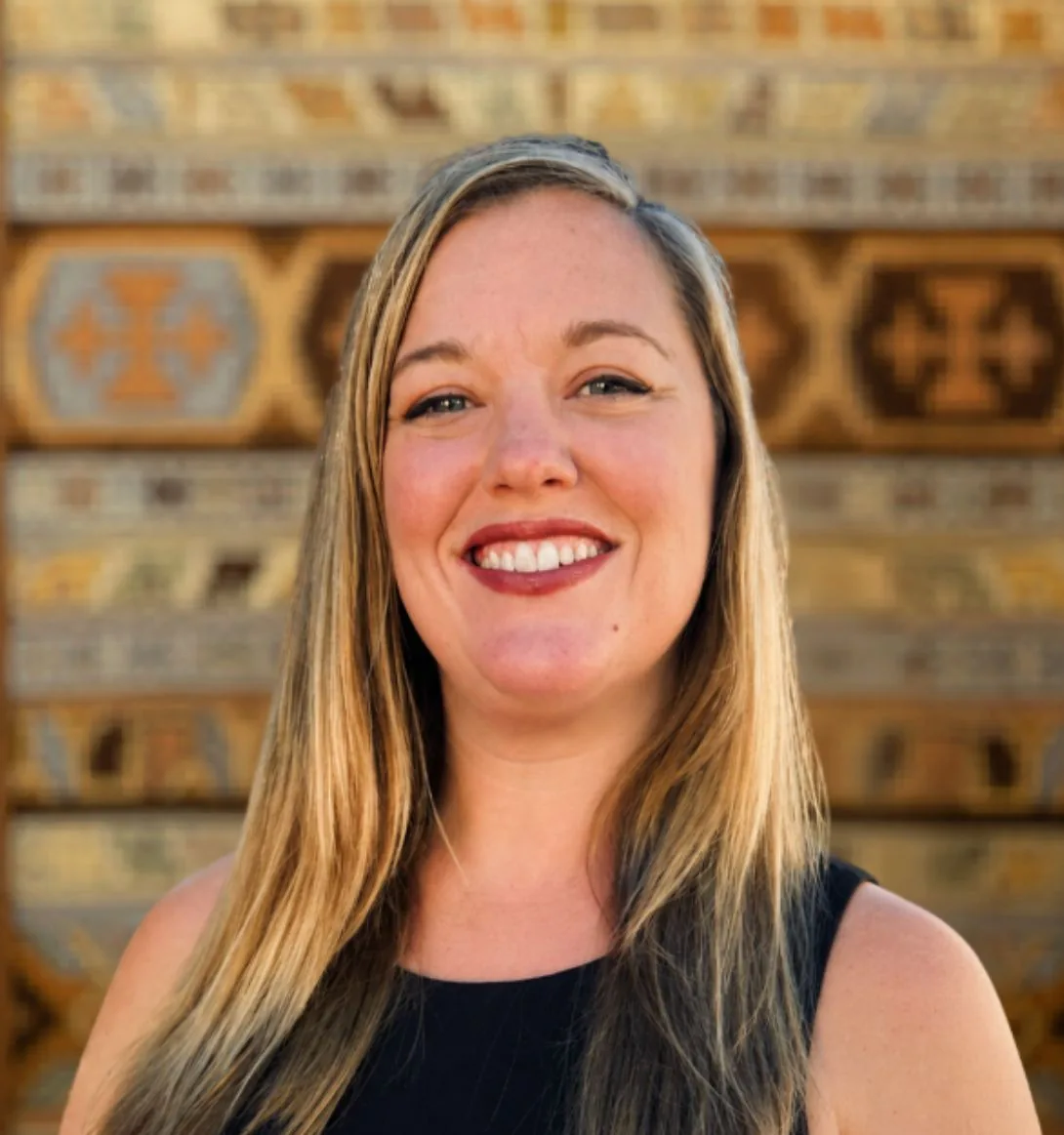
Licensed Therapist
Kailey McGarvey, LMSW
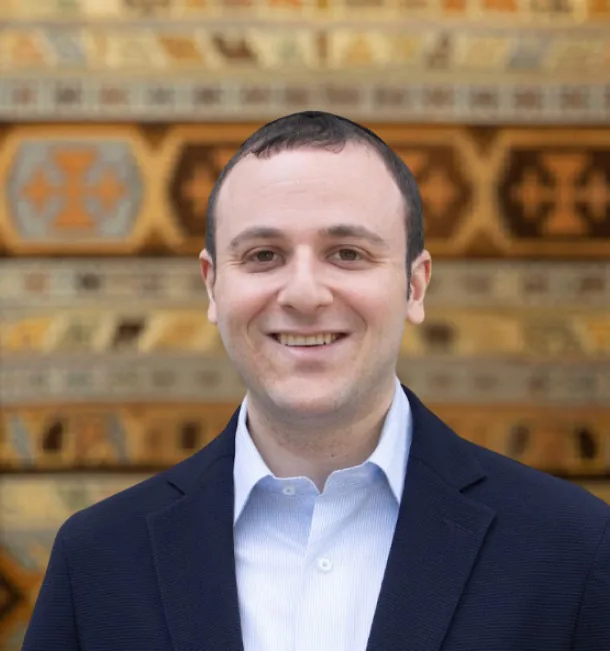
Psychologist, Post-Doctoral Fellow
Eitan Metzger, Psy.D.

Licensed Therapist
Isaac Moss, LMSW

Licensed Psychologist
Brandon Patallo, Ph.D.

Psychologist, Post-Doctoral Fellow
Victoria Phoenix, Psy.D.

Licensed Therapist
John Pitman, LCSW

Licensed Psychologist
Jae Hun Shin, Ph.D.

Licensed Therapist
Miriam Weiss, LMSW
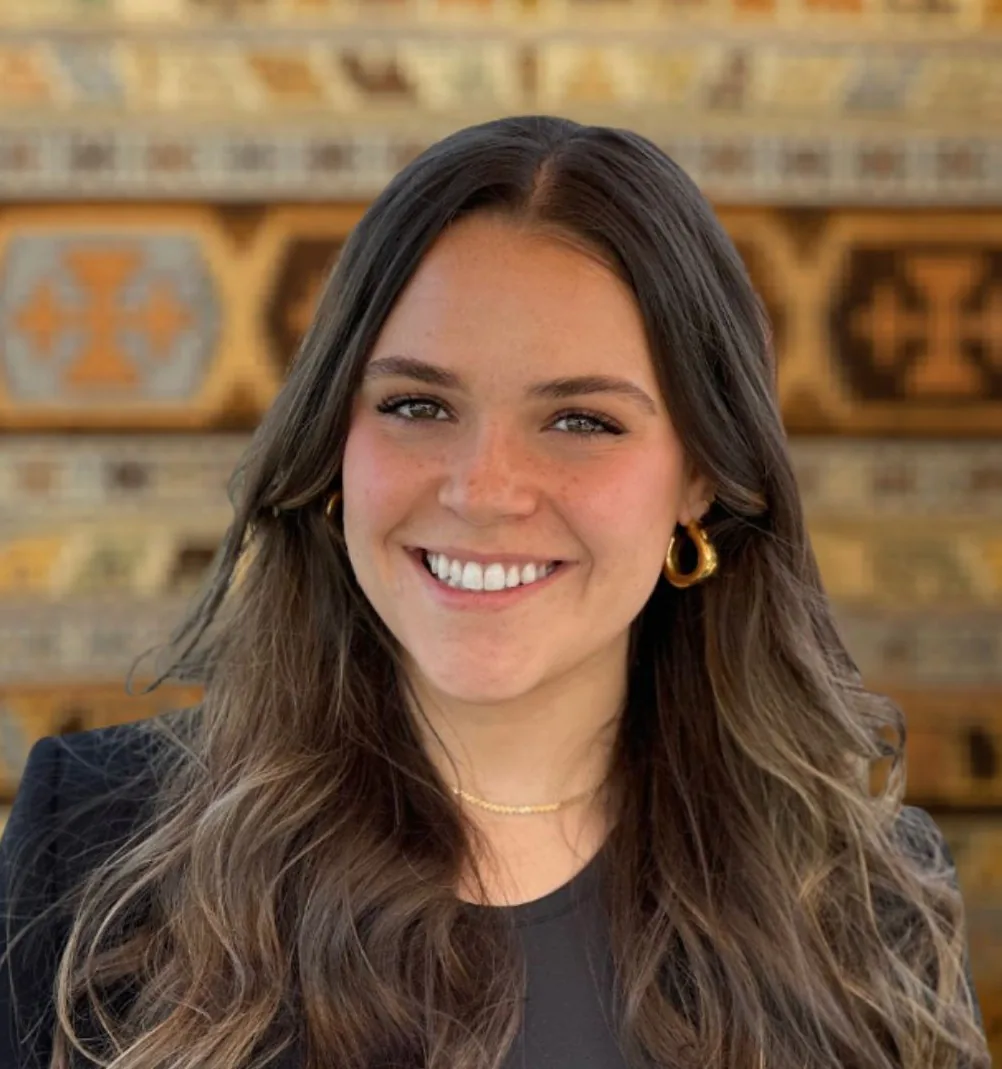
Licensed Therapist
Brynn Werner Silverstein, LCSW

Licensed Clinical Psychologist
Alejandra Zamora, Psy.D.
How we work
By the end, you will usually have a sense of how the work might go and what the next step is, whether that is booking a regular time, trying a couple of sessions before deciding, or being connected with the right therapist, which we will do our best to arrange.
questions and answers
Most intake sessions run about 45 to 60 minutes, similar to a regular session. Your therapist will let you know what to expect when you book, and there is usually time to cover the essentials without rushing.
Both are completely normal and expected. Therapists are used to people feeling nervous or tearful in a first session, and "I do not know where to start" is a fine place to start. You set the pace.
Yes, with a few narrow legal exceptions your therapist will explain at the outset, such as a serious risk of harm. Confidentiality is part of what makes therapy a place you can be honest.
That is useful information, not a failure. A good therapist would rather help you find a better match than have you stay where it does not work, and we will do our best to connect you with the right therapist.
You do not have to, but a few minutes of thought can help. It is fine to jot down what is bringing you in, any questions about the therapist or the process, and what you would like to be different. If that feels like too much, simply showing up is enough.
If you are in crisis or thinking about harming yourself, call or text 988 to reach the Suicide & Crisis Lifeline (US), free and confidential, 24/7.
This page is for general education and is not a substitute for professional diagnosis or treatment.
Ready to begin
To book a first session, see our team and reach out to our intake staff. We will help match you with a therapist who fits what you are looking for, and we are glad to answer questions before you commit to anything.
