

Licensed Psychologist, Founder
Jessica January Behr, Psy.D.
who we help
Affirming therapy where you don't have to explain or defend who you are before the real work can start.

We understand
LGBTQ+ individuals may seek therapy for a wide range of concerns, including anxiety, depression, relationship challenges, family dynamics, identity exploration, and self-esteem. For some, navigating questions around sexual orientation or gender identity can bring additional emotional complexities, particularly when balancing personal experiences with family, relationships, or social expectations. Therapy offers a supportive, nonjudgmental space to explore these experiences, better understand yourself, strengthen relationships, and develop healthier ways of coping. Working with a therapist who understands LGBTQ+ experiences can help foster a sense of safety, trust, and openness throughout the therapeutic process.
People bring all the usual reasons for therapy, such as anxiety, depression, relationships, and work, along with questions that are part of their identity: coming out, exploring gender identity or sexual orientation, dating and partnership, and family that is not fully accepting. You decide what to bring and in what order.
Relationships of every shape are welcome. Our relationship problems page says we embrace diversity in all relationship forms and styles, including LGBTQIA+ people and those in non-monogamous, polyamorous, or non-traditional relationships.
Affirming care means your identity is a given, not something you have to defend. Many of our clinicians list LGBTQ+ affirming among the communities they serve on their profiles, and some name gender identity or sexual orientation among their areas of focus.
The work is collaborative: you set the direction, and your therapist chooses methods to fit it, such as cognitive behavioral therapy, psychodynamic therapy, or mindfulness-based therapy. When a concern needs closer attention, we connect it to support for anxiety, depression, or trauma.
select your therapist
Licensed Psychologist, Founder
Jessica January Behr, Psy.D.

Licensed Psychologist
Jorge Alcantar Heredia, Psy.D.

Licensed Psychologist
Katherine Alvarez, Psy.D.
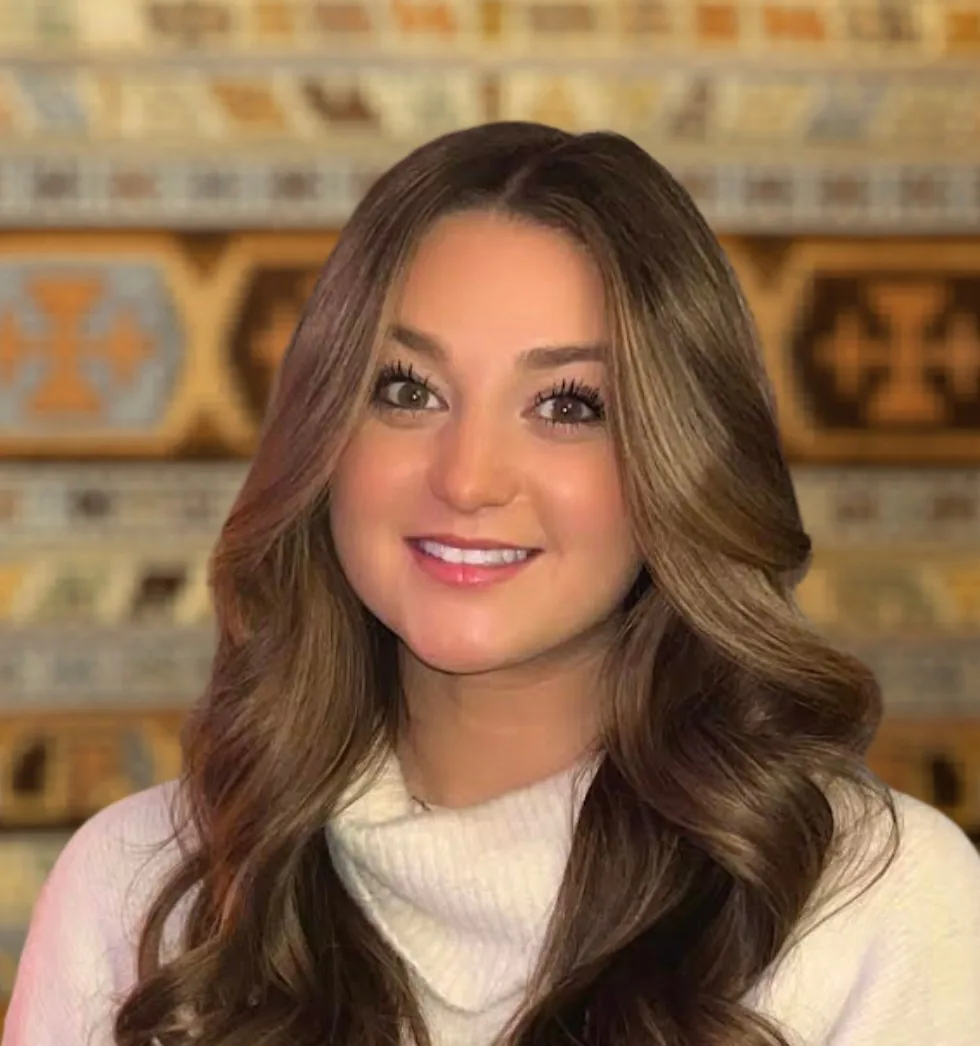
Licensed Therapist
Lauren Bailey, LMSW

Licensed Therapist
Carli Betman, LCSW
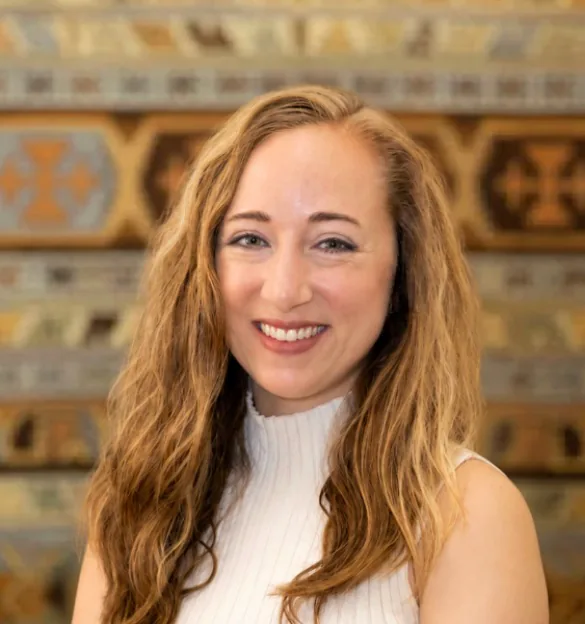
Licensed Therapist
Jessica Boerma, LCSW
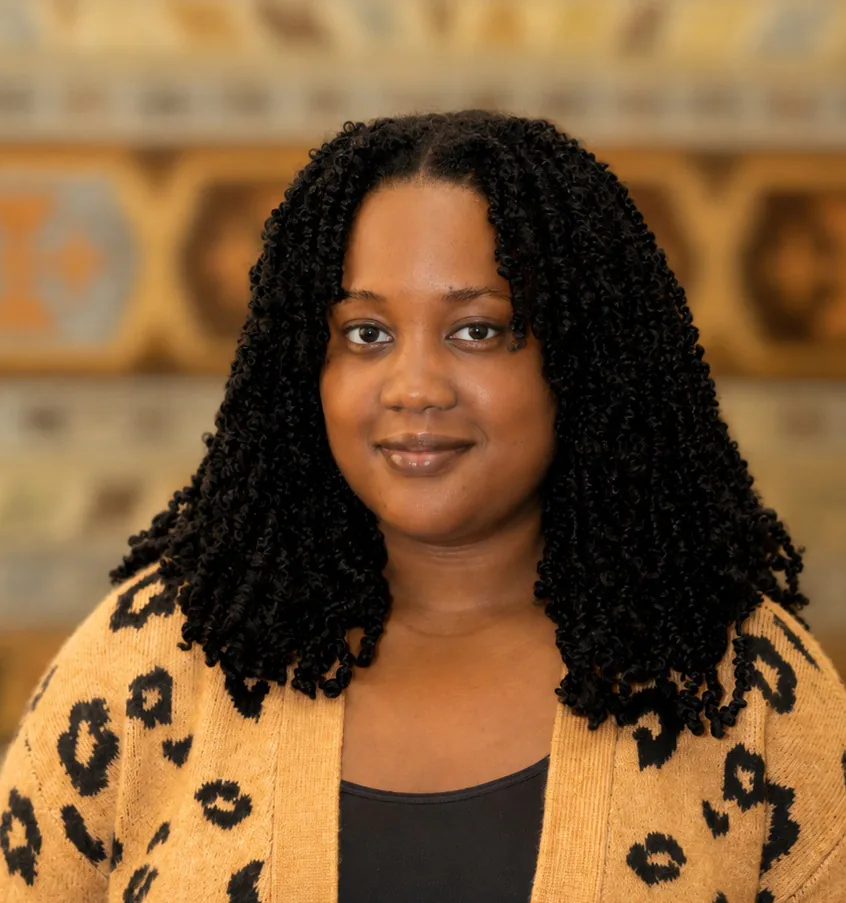
Mental Health Counselor - Limited Permit
Whitney Cetoute, MHC-LP
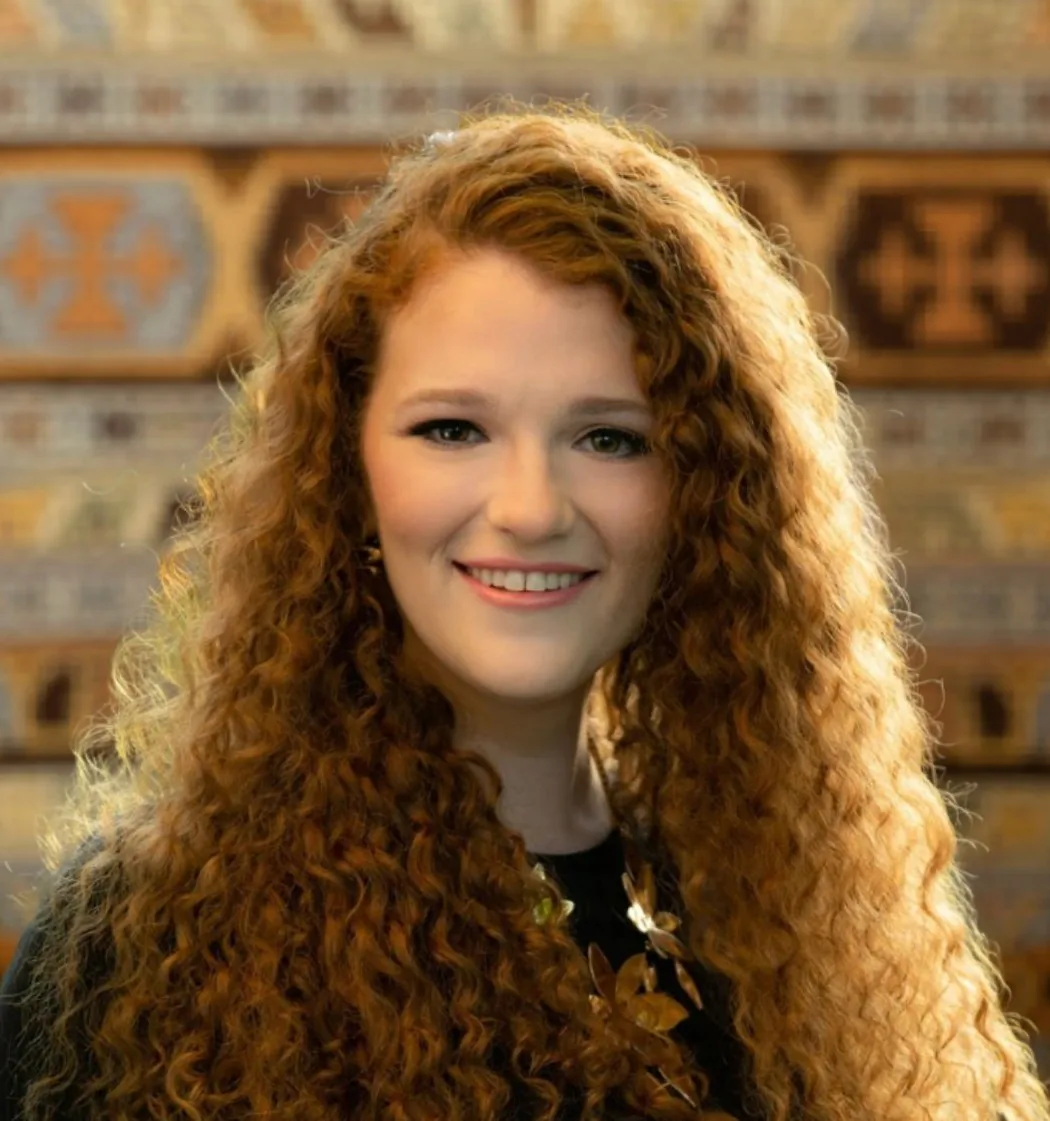
Psychologist, Post-Doctoral Fellow
Alexandra Chechik-Van Dijk, Psy.D.

Licensed Therapist
Melissa Donovan, LCSW

Psychologist, Post-Doctoral Fellow
Angela Flanagan, Psy.D.
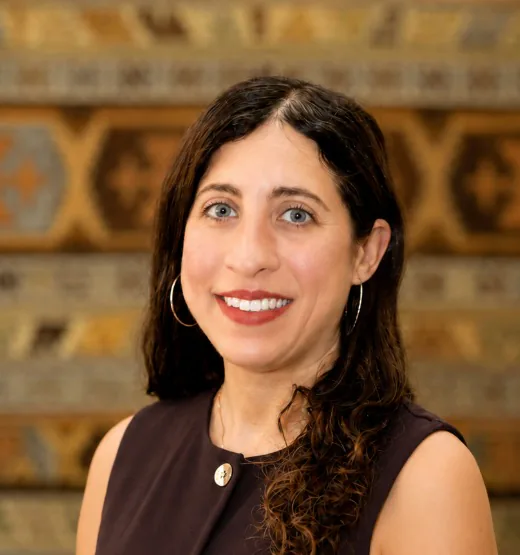
Licensed Psychologist
Nofar Glisko, Psy.D.

Licensed Therapist
Jennifer Gutmann, LCSW

Licensed Therapist
Jason Hill, LCSW

Psychologist, Post-Doctoral Fellow
Sarina Hilowitz, Psy.D.
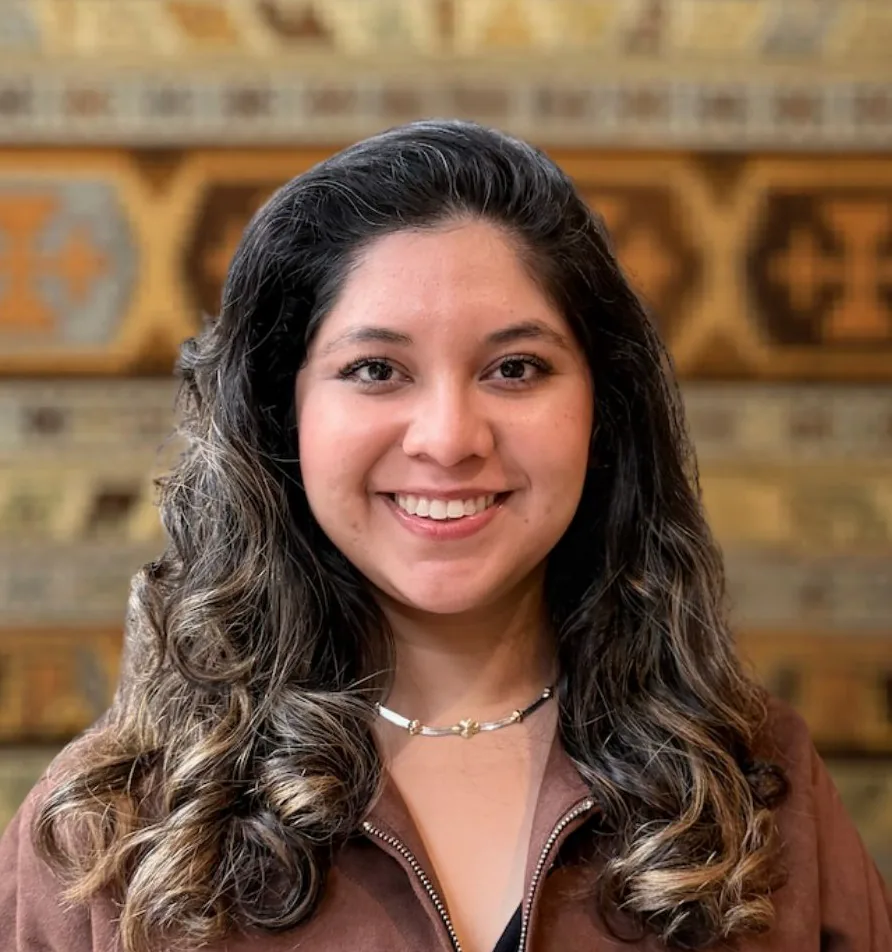
Licensed Therapist
Hansee Karamchandani, LMSW

Licensed Therapist
Shelby Keyworth, LCSW

Licensed Therapist
Chase Klein, LMSW
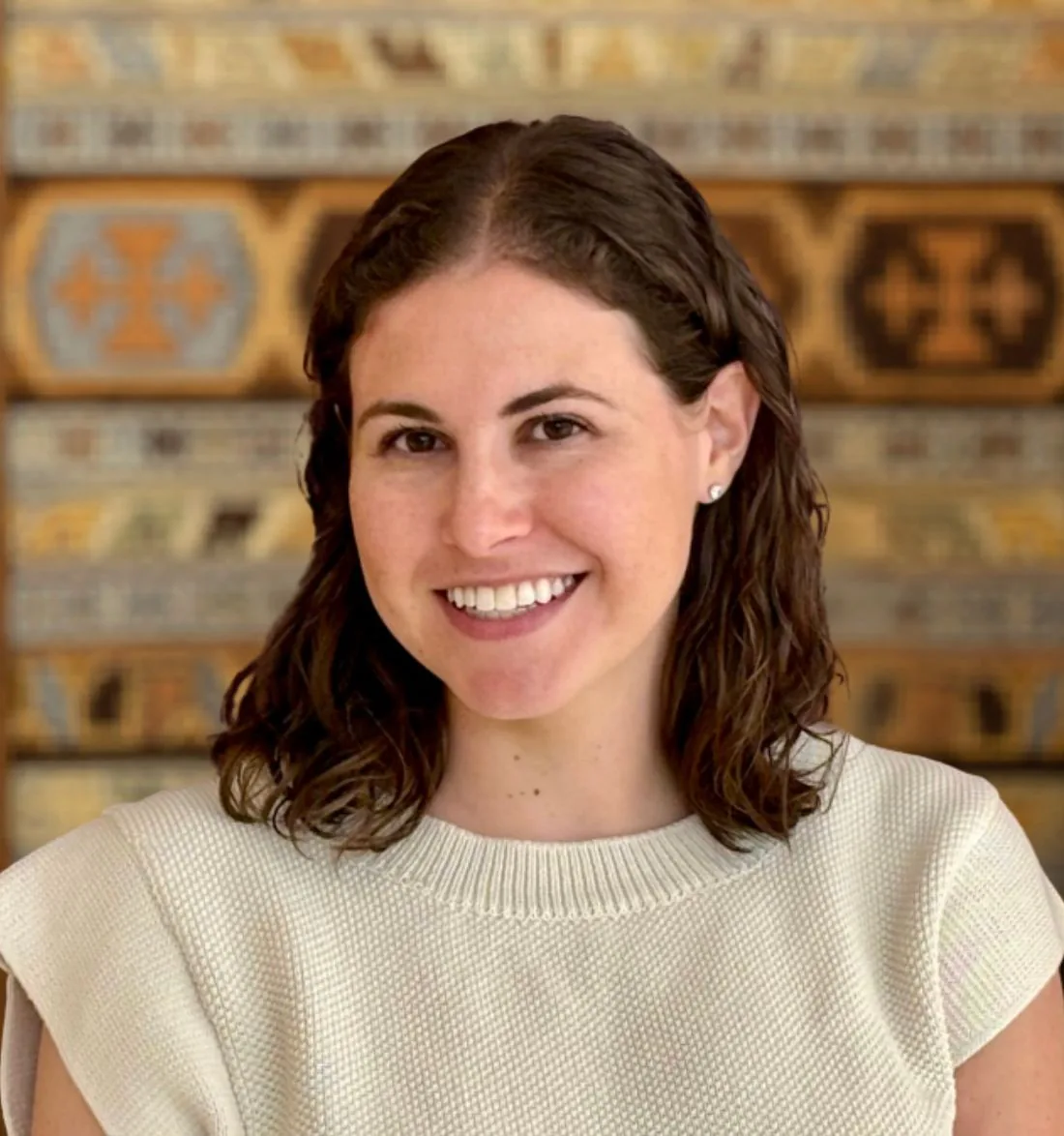
Licensed Psychologist
Shoshana Linzer, Psy.D.

Licensed Psychologist
Rihab Mahmood, Psy.D.

Licensed Therapist
Kailey McGarvey, LMSW
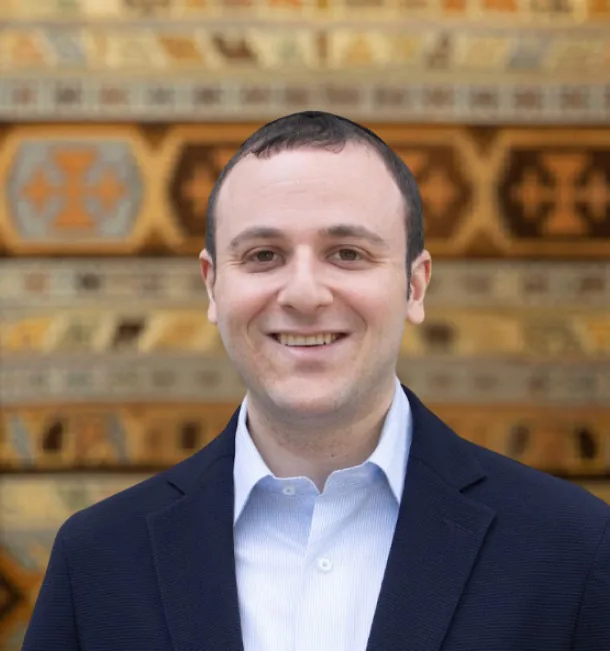
Psychologist, Post-Doctoral Fellow
Eitan Metzger, Psy.D.

Licensed Therapist
Isaac Moss, LMSW

Licensed Psychologist
Brandon Patallo, Ph.D.

Psychologist, Post-Doctoral Fellow
Victoria Phoenix, Psy.D.

Licensed Therapist
John Pitman, LCSW

Licensed Psychologist
Jae Hun Shin, Ph.D.

Licensed Therapist
Miriam Weiss, LMSW
Licensed Therapist
Brynn Werner Silverstein, LCSW

Licensed Clinical Psychologist
Alejandra Zamora, Psy.D.
How we work
We match you with one of our clinicians who has real experience in affirming care, so your identity is understood from the first session instead of explained. You can meet in person at our Upper West Side office at 50 Central Park West, Suite 1D, across from Central Park, or online anywhere in New York and New Jersey.
The first session is a chance to tell your therapist what brings you in and to notice whether the fit feels right. You set the pace, and you do not need to have it organized first. We can also explain insurance and fees before you start.
questions and answers
No. You decide what to share and when. Therapy is confidential, with a few narrow legal exceptions your therapist will explain at the outset, and you can take the time you need.
You can ask directly about their experience with LGBTQ+ clients, and you should leave the first session feeling respected and heard. If something does not feel right, tell us what you are looking for and we will do our best to connect you with the right therapist.
Yes. Exploring questions is a good reason to start, and you do not need an answer, a label, or a plan. Your therapist can help you sort through what you are noticing at your own pace.
Yes. Couples of every shape are welcome, and our page on therapy for couples describes how those sessions work.
Ready to begin
