

In recent years, mental health awareness has surged, bringing with it a better understanding of trauma and its far-reaching effects. While many are familiar with the classic trauma responses—fight, flight, and freeze—there is a fourth, often overlooked survival mechanism known as the fawn response. This behavior, characterized by people-pleasing and appeasement, can deeply affect one’s mental health, relationships, and sense of identity.
Understanding the fawn response is not just helpful—it’s transformative. At our psychology office, we work with clients every day who are learning to recognize this trauma adaptation and replace it with healthier coping strategies.
The fawn response is a trauma-based behavior where individuals cope with danger or emotional distress by seeking to appease others, often at the expense of their own needs and boundaries. This response typically develops in early life when a child learns that the best way to avoid harm is to become invisible, agreeable, and accommodating.
According to Walker, who popularized the concept in his work on complex PTSD (C-PTSD), fawning is “the fourth trauma response that results in people becoming hyper-vigilant to the needs of others in order to feel safe.” People with this response often struggle with asserting themselves, saying “no,” or identifying their own wants and feelings.
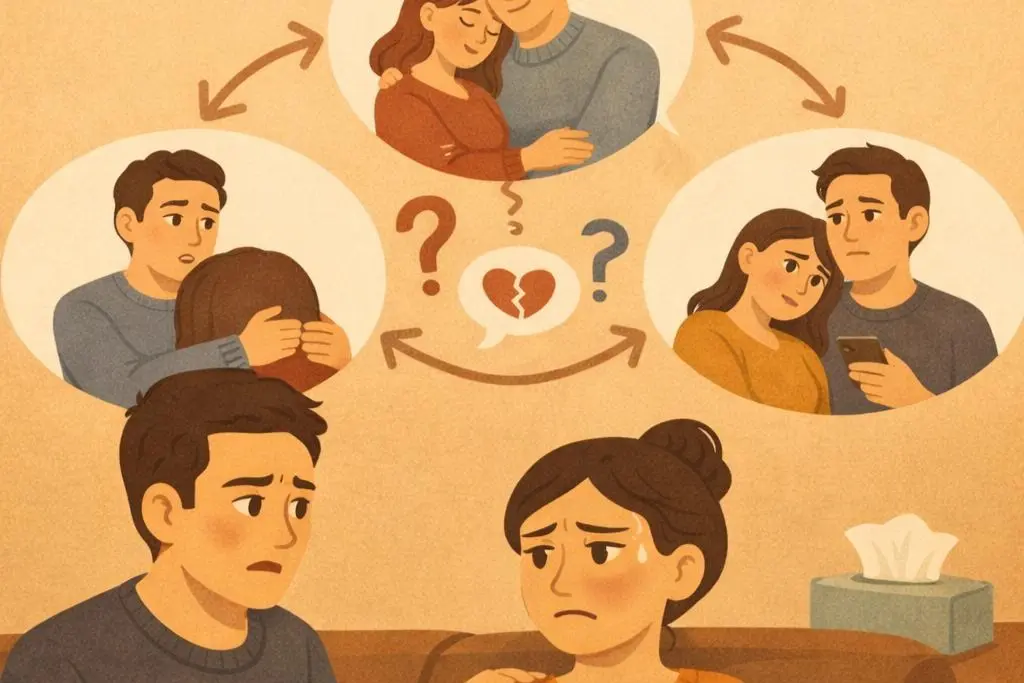
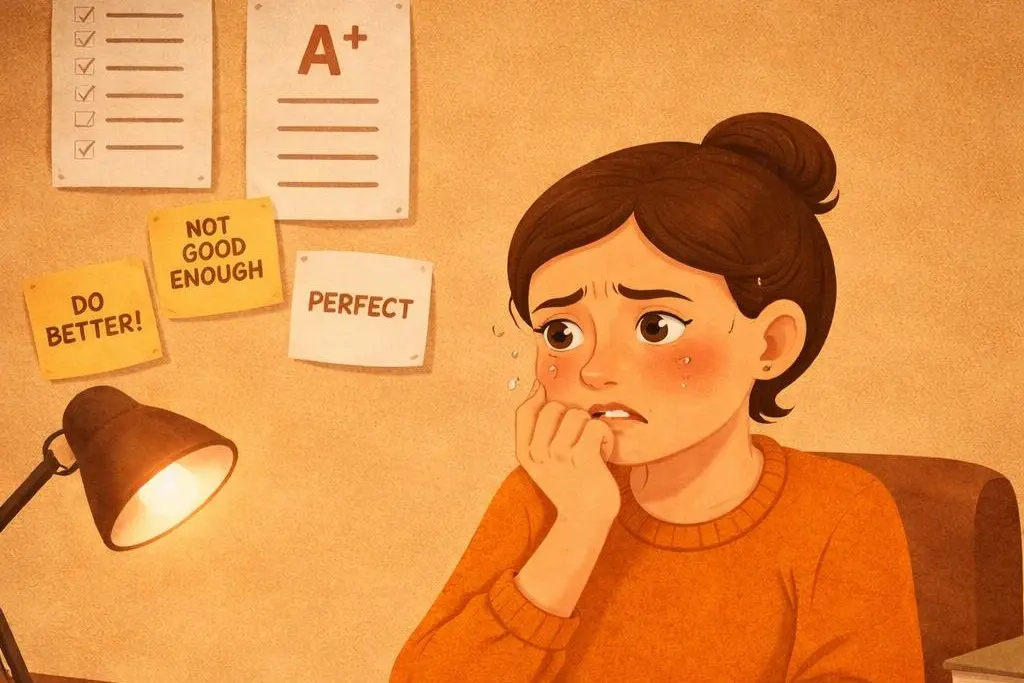
Recognizing the fawn response in yourself or others can be eye-opening. Some of the most common signs include constantly prioritizing others’ needs over your own, struggling with self-worth unless affirmed by others, difficulty setting boundaries, apologizing excessively, fear of conflict or disapproval, and feeling emotionally numb or disconnected from personal desires.
While these behaviors may seem like kindness or empathy on the surface, they are often rooted in a survival instinct developed during chronic relational trauma, such as emotional neglect, abuse, or inconsistent caregiving.
It’s important to differentiate between genuine kindness and trauma-driven people-pleasing. The fawn response is not a personality trait—it’s a learned adaptation.
Research has shown that unresolved childhood trauma can lead to difficulty with emotional regulation, self-concept, and interpersonal functioning in adulthood. People who habitually fawn may find themselves in toxic or one-sided relationships, professional burnout, or even physical health issues due to chronic stress.
Moreover, fawning can act as a mask, hiding the individual’s true feelings and inhibiting authentic connections. Over time, this can lead to anxiety, depression, and a loss of self-identity.
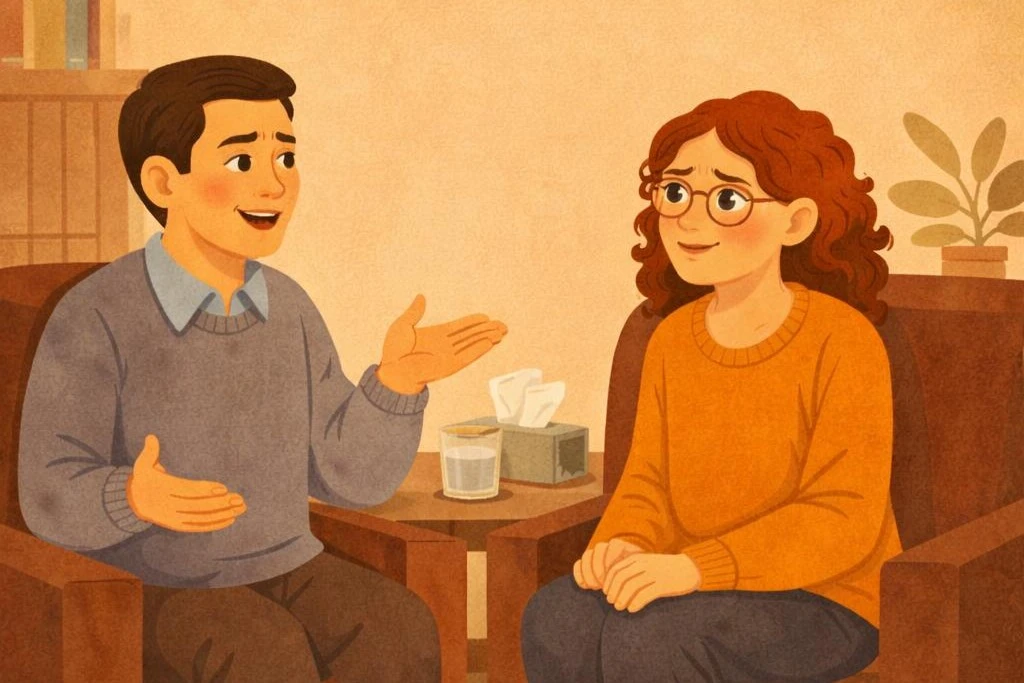
The good news? This trauma response can be unlearned. Therapy provides a safe space to uncover the roots of people-pleasing behavior and begin the journey back to your authentic self.
Here are some therapeutic strategies commonly used:
Therapists trained in trauma-informed care can guide clients toward recognizing and releasing these survival patterns. As the APA emphasizes, trauma-informed therapy promotes empowerment, choice, and collaboration, all critical elements for healing from complex trauma.
Choosing to go to therapy is an act of courage. If you recognize yourself in the patterns described above, know that you’re not broken—you’re adaptive. Your brain and body found a way to survive. But survival is not the same as thriving.
The fawn response may have helped you once, but it doesn’t have to define your life. In therapy, you can learn to connect with your true self, form authentic relationships, and live a life guided by your own values—not fear.
At Behr Psychology, our licensed therapists specialize in trauma-informed care and helping clients overcome people-pleasing tendencies rooted in the fawn response. Whether you’re dealing with anxiety, relationship issues, or just feeling emotionally exhausted from always putting others first, we’re here to help.
Contact Behr Psychlogy today to schedule a free consultation and take the first step toward healing.