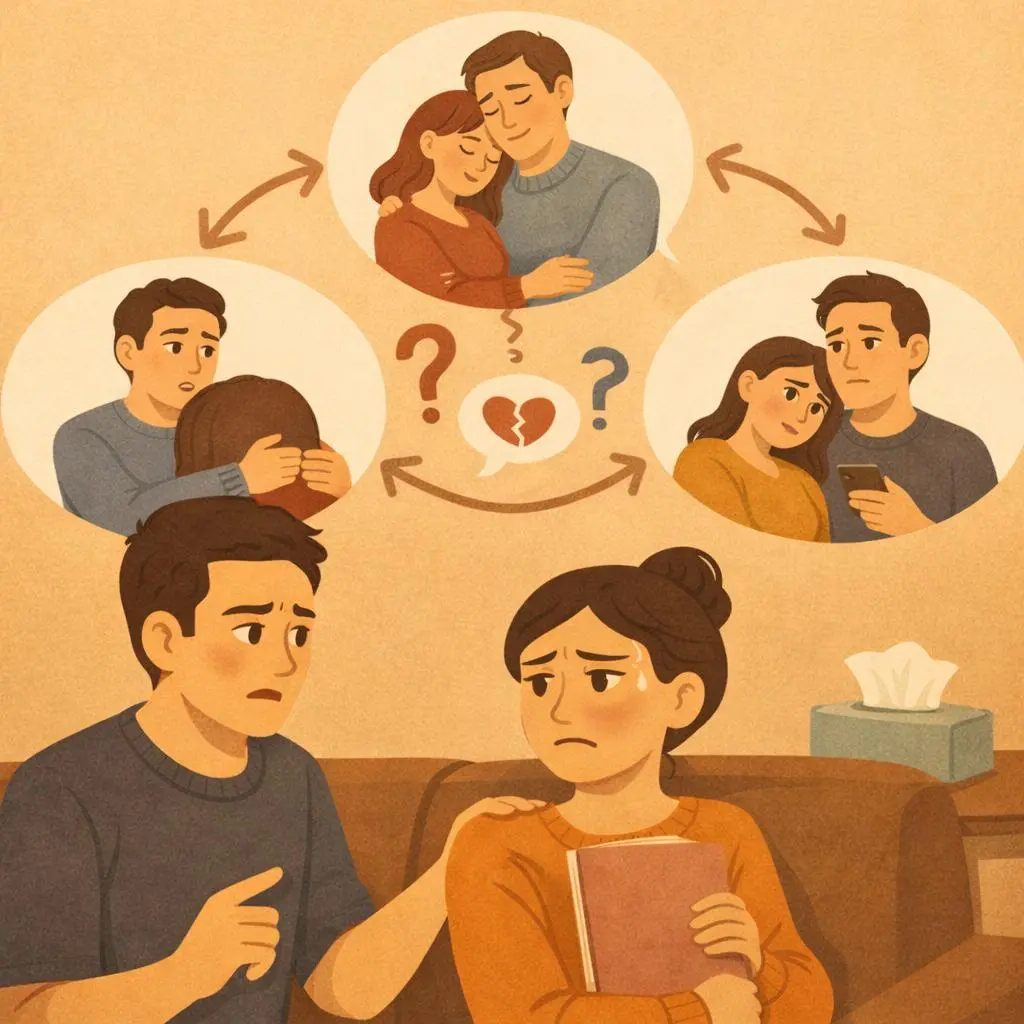
These strategies are what we call attachment styles. While attachment exists on a spectrum, four primary styles are often discussed:
1. Secure Attachment
People with secure attachment tend to feel comfortable with closeness and independence. They can communicate needs, manage conflict, and trust others while maintaining a strong sense of self.
2. Anxious Attachment
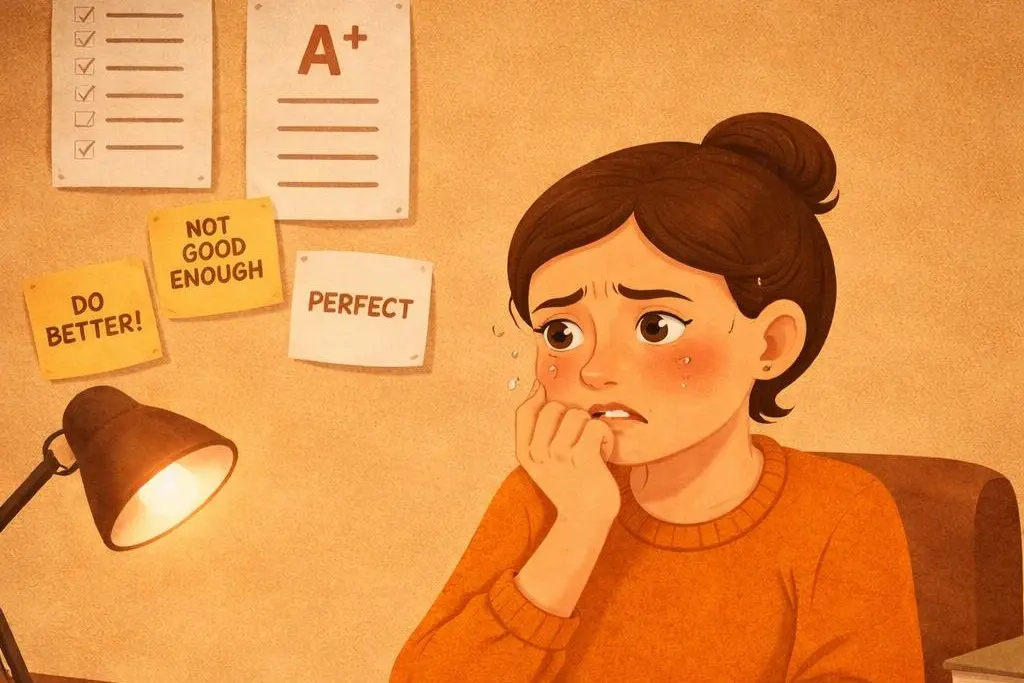
Anxious attachment often involves a deep desire for closeness paired with fear of abandonment. Adults with this style may worry about being rejected, and seek reassurance frequently.
3. Avoidant Attachment
Avoidant attachment typically involves discomfort with emotional closeness. Adults may value independence to a strong degree and pull away when relationships deepen.
4. Fearful-Avoidant (Disorganized) Attachment
This style can include both anxiety and avoidance. Someone may crave connection but also fear it, leading to push-pull dynamics.
The APA notes that attachment patterns can influence emotional regulation and relationship functioning across the lifespan.
Many people assume repeating relationship patterns mean something is “wrong” with them. In reality, attachment patterns are adaptive responses that once helped you feel safe.
But can attachment styles change?
Yes.
Attachment styles are not life sentences. They are patterns which can shift with awareness, insight, and corrective emotional experiences.
Therapy offers a space to:
- Identify your attachment style
- Understand its origins
- Recognize relationship triggers
- Practice new ways of responding
A consistent, supportive therapeutic relationship itself can help build greater emotional security. Over time, clients often notice they feel less reactive, communicate needs more clearly, and set healthier boundaries. Change does not mean becoming someone different. It means expanding your capacity for connection while maintaining your sense of self.
At Behr Psychology, we help clients explore attachment patterns with curiosity, not judgment. Our approach integrates insight-oriented work with practical emotional regulation skills, so you gain both understanding and tools for change.
Attachment patterns are learned. And what is learned can be unlearned.
If you notice the same arguments, the same emotional triggers, or the same type of partner showing up in your life, it’s not a sign of failure. It’s a sign that your system is relying on old strategies.
With awareness and support, those strategies can evolve. If you’re tired of repeating the same relationship cycle, therapy can help you understand why it’s happening and how to shift it.
Schedule an appointment with Behr Psychology today.