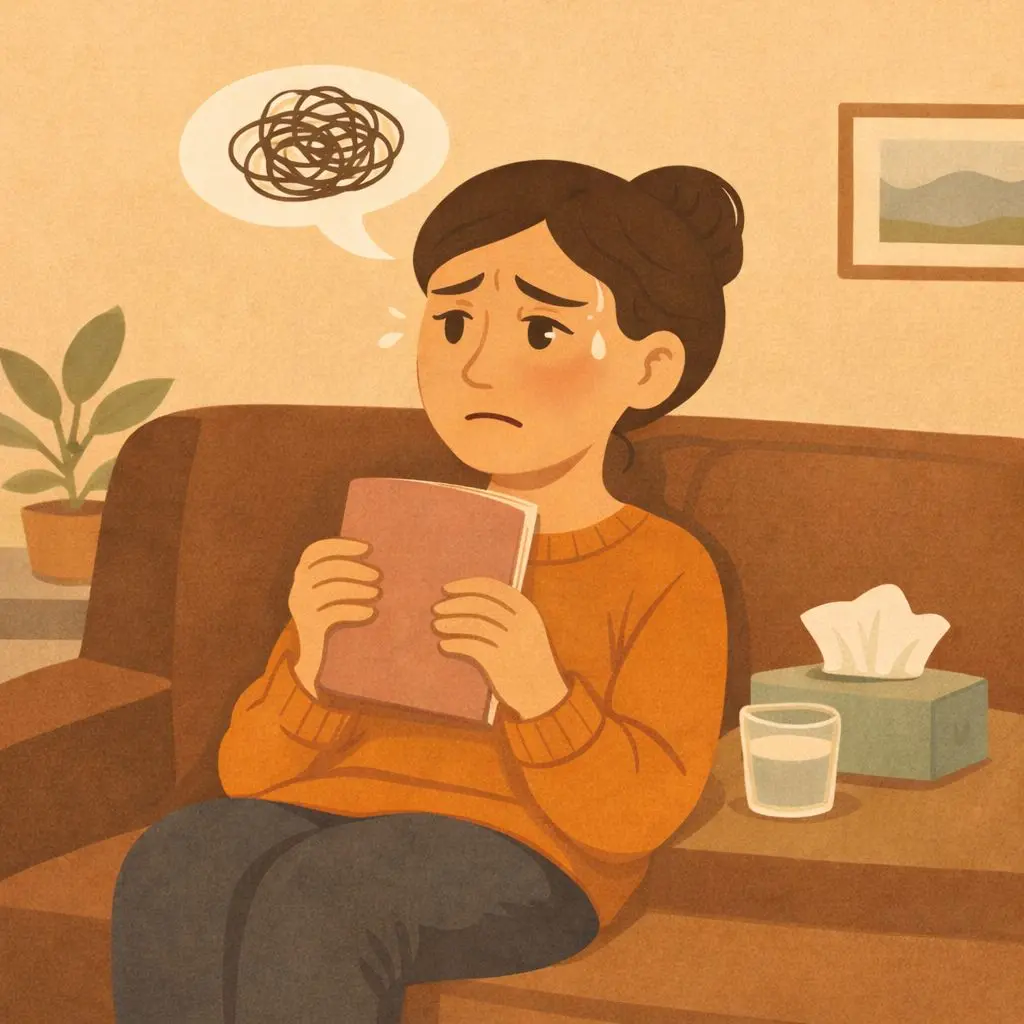
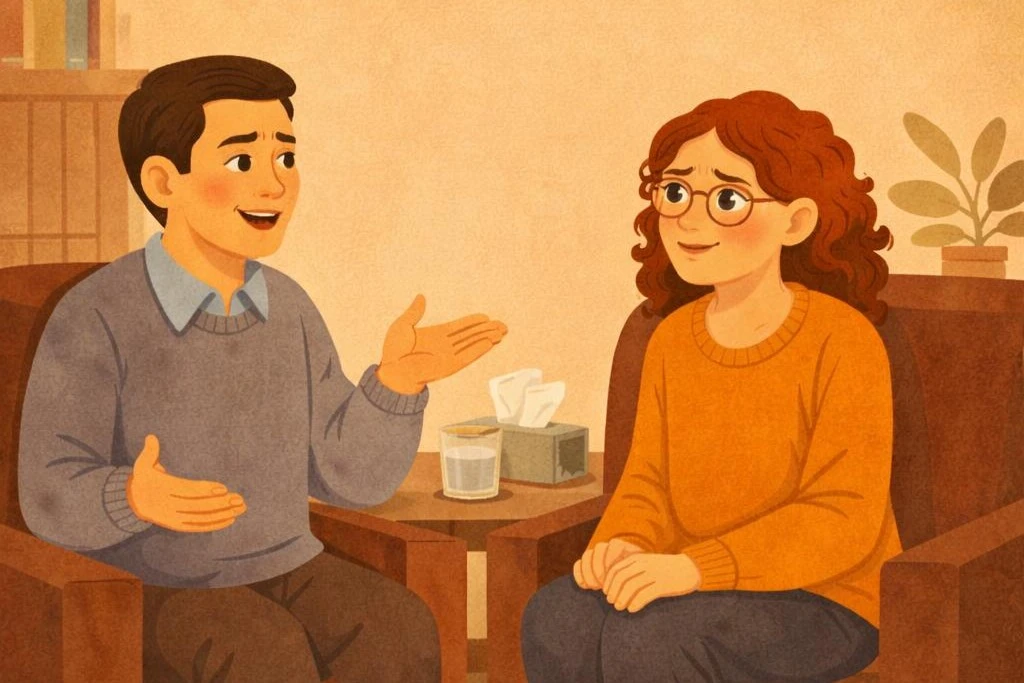
Starting therapy can feel like a brave step. You may know you want support, clarity, or relief from anxiety, depression, or stress. But once you sit down (or log on), something surprising can happen: it may feel hard to open up.
If vulnerability feels uncomfortable in therapy, you’re not alone. In fact, that hesitation often makes sense. At Behr Psychology, we regularly remind clients that difficulty opening up is not a failure. It’s part of the process.
Vulnerability means allowing someone to see parts of you that feel tender, uncertain, or unfinished. That can activate old protective patterns.
Many of us learned early in life to minimize our emotions, handle problems independently, avoid conflict, and stay “strong” for others. These strategies may have helped at one time. But in therapy, those same protective habits can make it difficult to share openly.
From a psychological perspective, our brains are wired to detect social risk. Opening up can feel like stepping into uncertainty. According to the American Psychological Association (APA), psychotherapy works through a strong therapeutic relationship built on trust, collaboration, and safety. But trust takes time. It’s not something we can force.
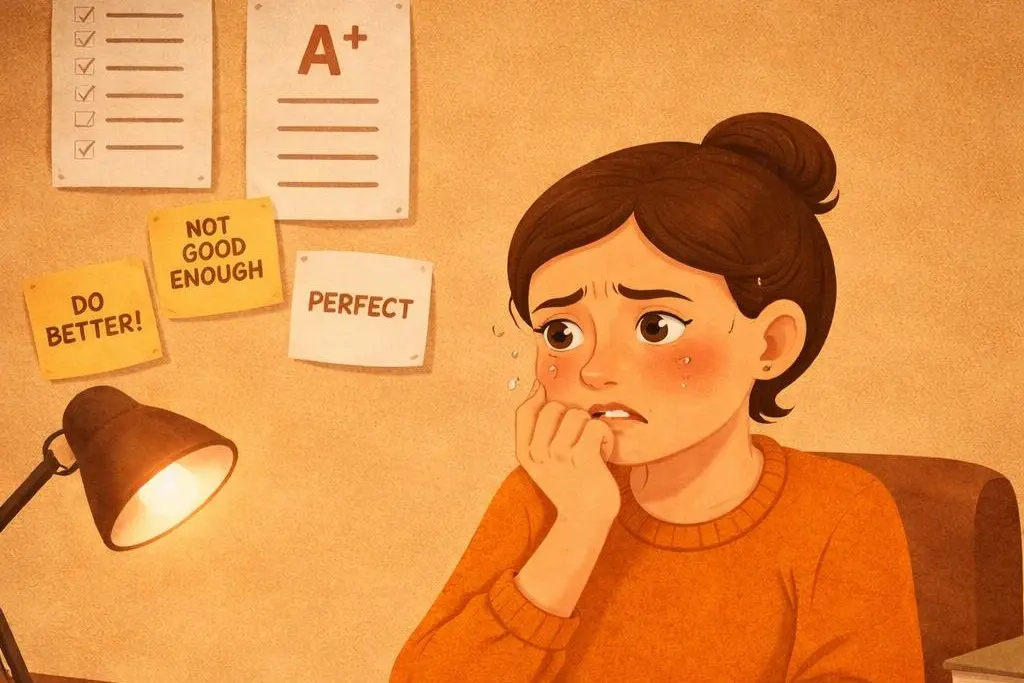
One common barrier to vulnerability is the fear of being overwhelming or inadequate.
Clients often worry that their problems aren’t serious enough. These thoughts can create internal pressure to edit or filter what you share.
The reality? Therapy is designed to hold complexity. There is no “too much” or “not enough.” Psychologists are trained to help people navigate a wide range of experiences, from everyday stress to trauma and major life transitions.
The APA emphasizes that therapy provides a confidential, supportive environment to explore emotions safely. That safety is intentional and foundational.
Although vulnerability can feel uncomfortable, it is often the gateway to meaningful change. When you speak honestly about your fears, grief, anger, or confusion emotional patterns become clearer and healing becomes possible.
Avoidance tends to maintain distress. Gentle, supported openness allows it to shift. But here’s the key: vulnerability doesn’t have to mean sharing everything all at once.