The Hidden Grief of a Friendship Ending
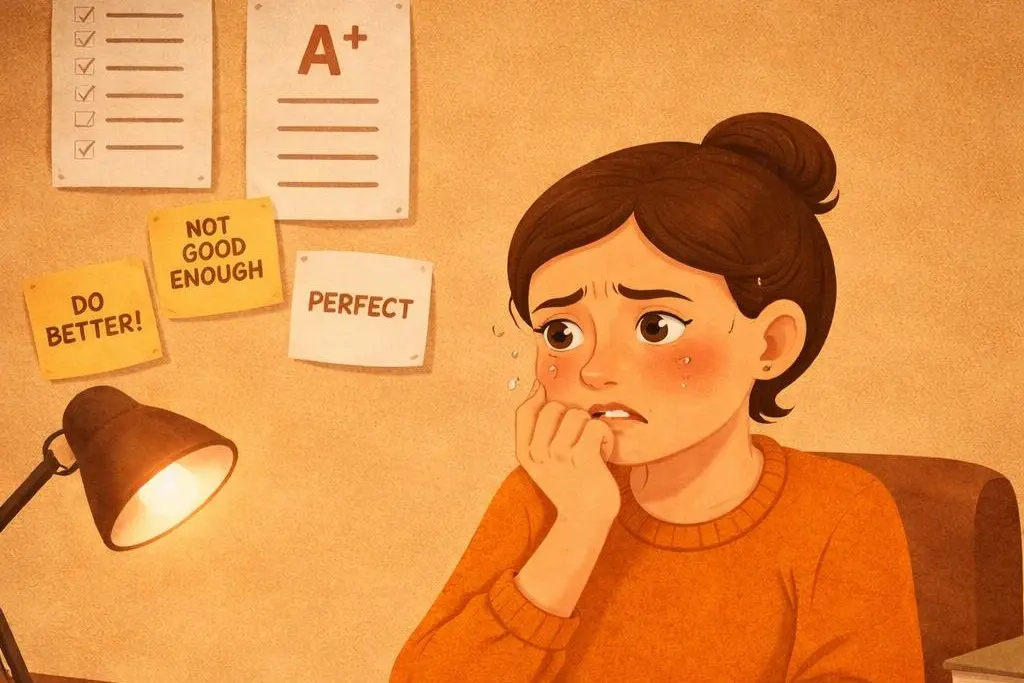
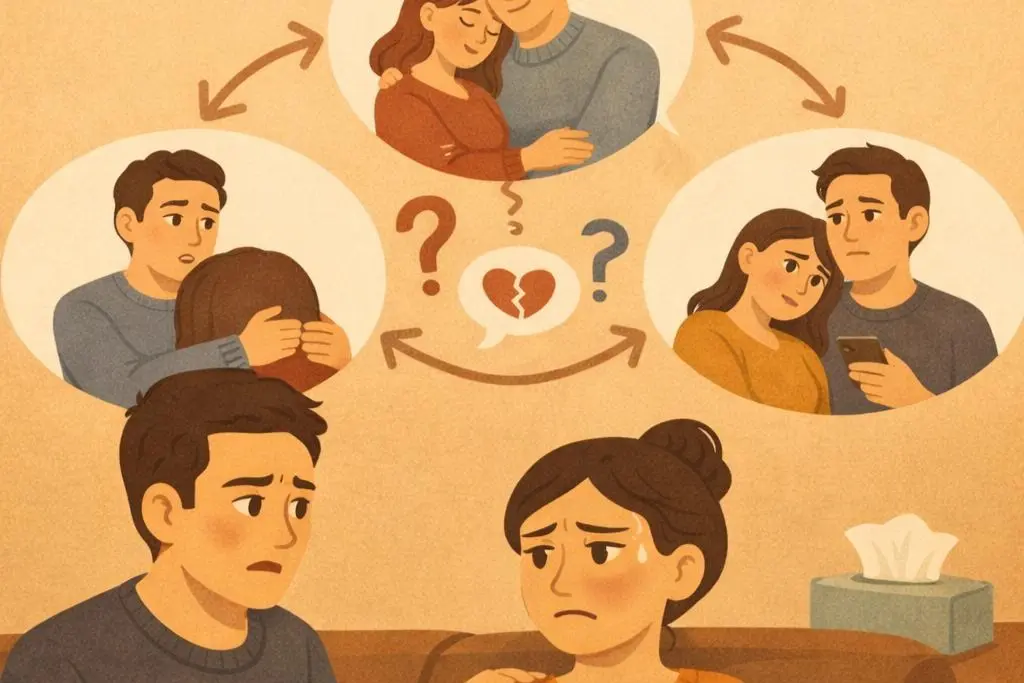
Friendship breakups can trigger a wide range of emotions: sadness, anger, confusion, guilt, and even relief. Despite this emotional complexity, these breakups are often under-recognized in our culture, leaving many people to suffer in silence. Emotional distress following a friendship loss can rival that of a romantic breakup. Yet, because friendship is often seen as more “casual,” we may minimize our pain or hesitate to seek help.
Grieving a friendship isn’t just about the person—it’s about the shared experiences, mutual support, and vision of the future that also disappears. The American Psychological Association (APA) notes that any significant interpersonal loss can disrupt our emotional equilibrium and even affect our self-concept.
Understanding the Role of Boundaries
Many friendship breakups are the result of evolving boundaries—whether those boundaries are crossed, disrespected, or simply no longer aligned. Boundaries are essential for healthy relationships, yet many of us struggle to define or communicate them clearly. According to the APA Dictionary of Psychology, boundaries are “psychological and emotional limits that help protect a person’s sense of self.” When these limits are breached repeatedly in a friendship, it can lead to resentment, burnout, or disconnection.
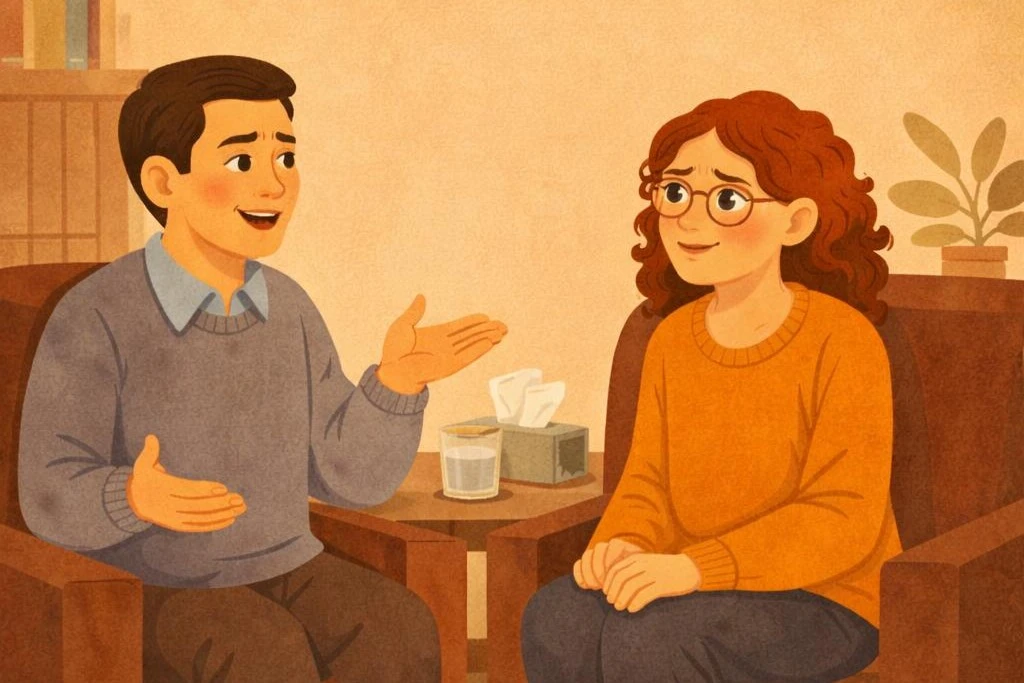
It’s important to reflect on what boundaries may have been missing or misunderstood in the relationship. Were your emotional needs ignored? Did you feel unsafe being vulnerable? Did one person consistently take more than they gave? Exploring these questions with a mental health professional can help you develop healthier relational patterns going forward.
As painful as they are, friendship breakups also provide an opportunity for profound personal growth. Through the grieving process, we can come to better understand our values, emotional needs, and communication styles. This self-awareness is not only healing—it’s transformative.
Navigating interpersonal loss can bolster emotional regulation, empathy, and self-compassion—all key components of psychological well-being. But growth doesn’t happen automatically. It requires intentional reflection, sometimes forgiveness, and often the guidance of a compassionate professional.