Inner Child

Make your mental health a priority. Schedule a free screening call today!

Inner Child

Inner Child Work: What It Really Means—and What It Doesn’t

Author

Jessica January Behr, Psy.D.

At Behr Psychology, we understand that many clients come curious (and sometimes confused) about the concept of inner child work. Let’s unpack what it truly involves, and what it shouldn’t be.

First, inner child work is not a fleeting self‑help trend. It’s a legitimate therapeutic tool grounded in established psychological theory.

The concept originated with Carl Jung, who described a part of our psyche containing emotions and memories from early childhood that continue to influence us in adulthood.

Common therapeutic approaches help clients access and heal these inner parts by acknowledging, validating, and reparenting them.

The goal is self‑compassion and emotional regulation, not regression. Techniques may include guided imagery, journaling, art therapy, role‑play, visualization, and establishing healthy internal boundaries 

Practically, clients might use a childhood timeline worksheet to trace emotional patterns, explore triggers originating in early experiences, and question self-limiting beliefs: “Am I minimizing my past? Denying that healing is possible?”

Emerging empirical studies, such as IFS for trauma, are showing promising reductions in symptoms of PTSD and depression, as well as improved emotional coherence. 

But let’s be crystal clear: inner child work is neither infantilizing nor an excuse to regress or shirk adult maturity.

Some clients, especially those who’ve had to grow up fast, parent themselves, or survive trauma, feel resistant to the idea of “reparenting” an inner child they can’t identify with or that feels belittling.

At Behr Psychology, we affirm these concerns. Inner child work is not:

  • About regression, infantilization, or stripping away autonomy.

  • A one-size-fits-all method. It is one tool grounded in trauma-informed care, included only where helpful and desired.

What makes inner child work powerful is integration, not fragmentation: your adult self learns to compassionately meet the needs of your younger self without losing grounded adult agency.

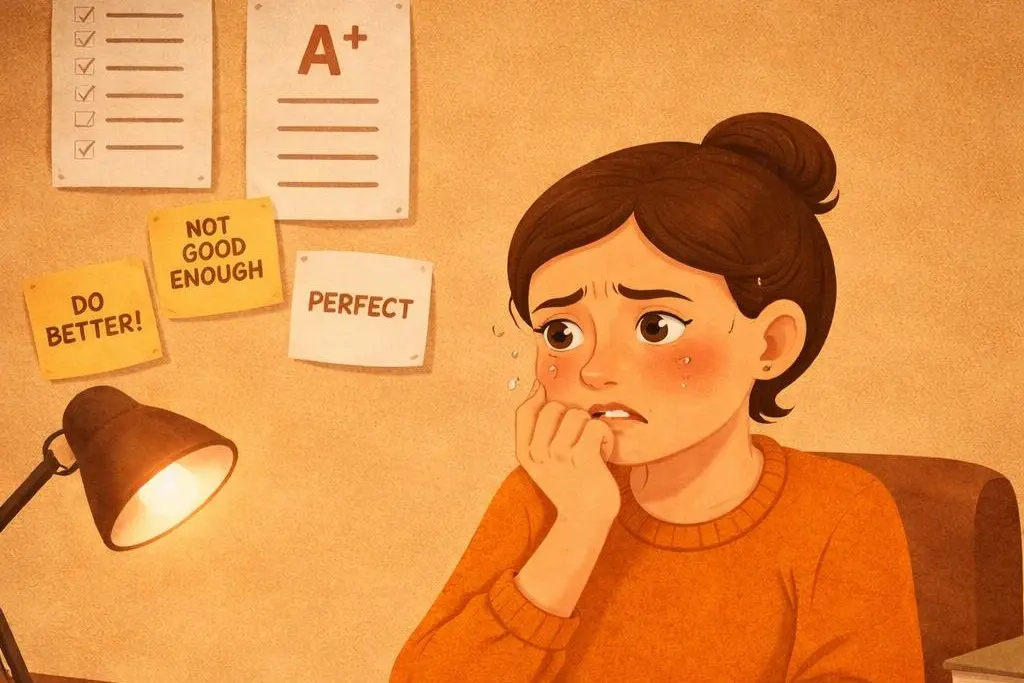
Inner Child Work Might Help if you find yourself reacting disproportionately to minor stressors; struggling with insecure attachment patterns, self‑sabotage, or emotional dysregulation; or experiencing intense triggers that echo childhood hurts,

This work can help you understand the why behind your responses and begin to offer healing, integration, and growth, including improved emotional regulation and maturity as well as decreased anxiety or depression symptoms.

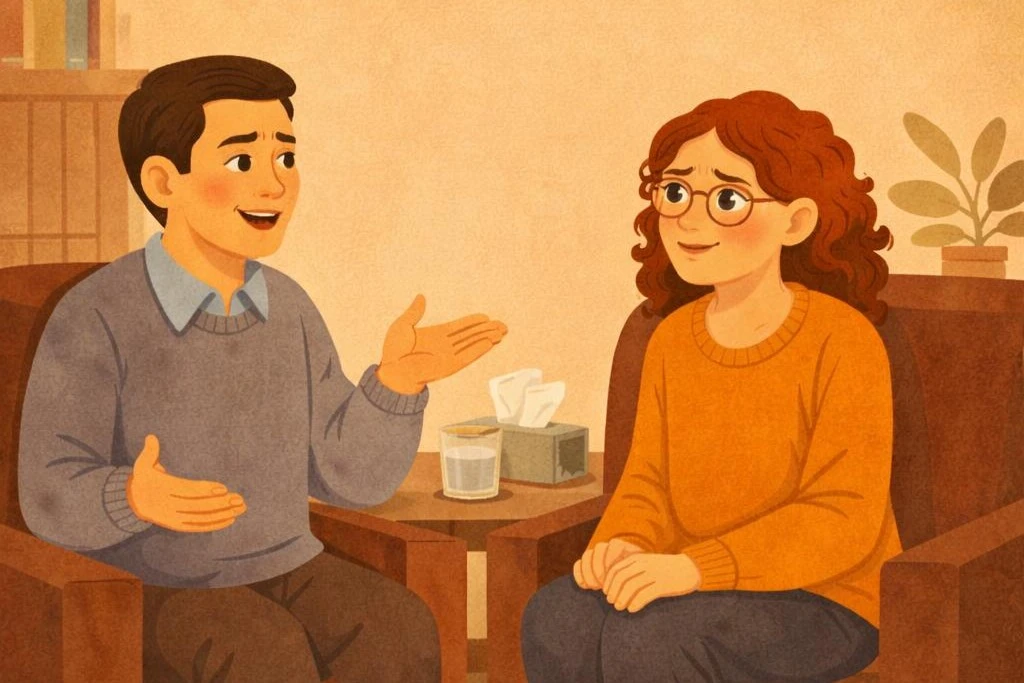
At Behr Psychology, we view this work as client-centered. We collaborate to ensure inner child exploration is conducted with consent, respect, and readiness. You remain present as your empowered adult self; we never infantilize or override your autonomy. If inner child work isn’t resonant for you, we’ll lean on other evidence-based approaches such as CBT, mindfulness, trauma therapies, somatic or narrative approaches.

If you’re interested in reconnecting with your inner self—gaining clarity, emotional freedom, and compassionate self-understanding—Behr Psychology is here for you.

We invite you to schedule an appointment with our skilled therapists. Whether you choose to begin with gentle journaling, imagery, or guided exploration—or simply want to talk through your concerns—we create a space where your adult self and inner experiences are honored.

Click here to book your first session with Behr Psychology—and take one step closer to healing, belonging, and self‑compassion. You’re not just “working on the past” but integrating it to become your most authentic, resilient self.

Related articles

New Treatment Options

New Treatment Options

New Treatment Options

New Treatment Options

New Treatment Options

New Treatment Options

New Treatment Options

New Treatment Options

New Treatment Options

New Treatment Options

Mental Health Blog

New Treatment Options

February 1, 2026

New Treatment Options

January 15, 2026

New Treatment Options

December 15, 2025

Make your mental health a priority.

Send us a direct message