Trauma

Make your mental health a priority. Schedule a free screening call today!

Trauma

How to Know You're in a Trauma Bond

Author

Jessica January Behr, Psy.D.

Trauma bonding is a term that’s often misunderstood, but it plays a powerful and deeply damaging role in many abusive relationships.

It refers to the emotional attachment that forms between a victim and their abuser, especially when cycles of abuse and reconciliation create a confusing psychological trap. If you’ve ever felt stuck in a relationship that constantly hurts you, yet leaving feels nearly impossible, you may be experiencing a trauma bond.

What Is a Trauma Bond?

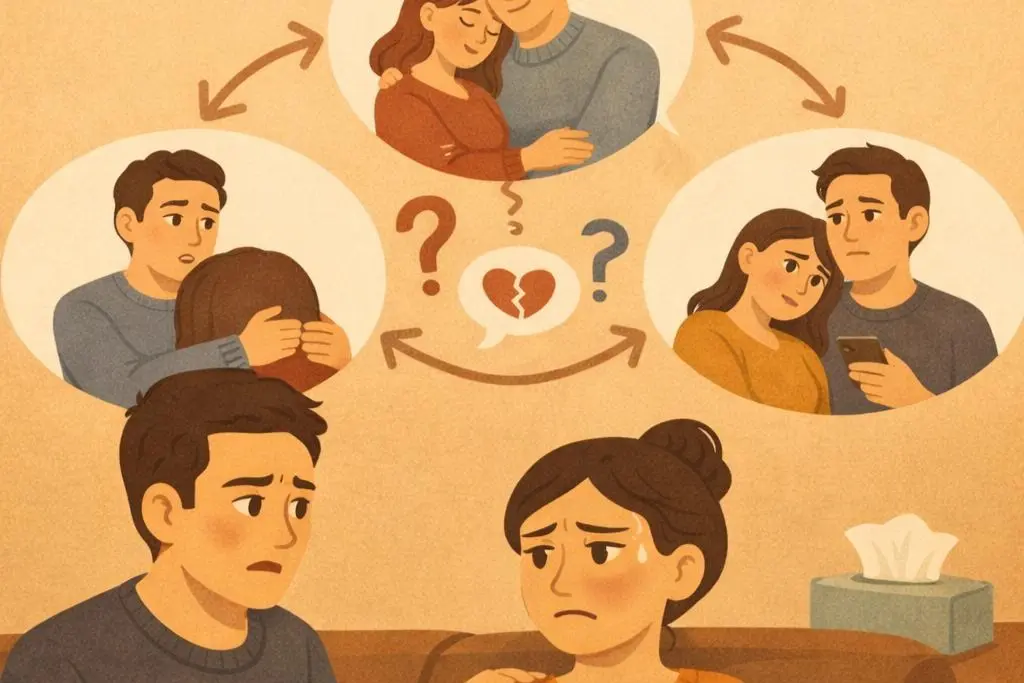
A trauma bond is formed through repeated cycles of abuse, devaluation, and positive reinforcement. It is most commonly seen in relationships in which one partner is manipulative or abusive, and the other remains emotionally invested despite ongoing harm. These relationships may involve physical violence, emotional manipulation, gaslighting, or controlling behavior.

Trauma bonds can resemble addiction, and the brain becomes hooked on dopamine associated with brief moments of affection or “relief” between cycles of mistreatment. Over time, this creates a neurochemical dependence on the abuser, making it incredibly difficult to leave, even when the logical part of you knows it’s unhealthy.

Recognizing a trauma bond is the first step toward healing.

If you find yourself justifying the other person’s cruel or harmful actions—saying things like “they had a rough childhood” or “they’re just under a lot of stress”—this can be a red flag. Trauma bonding thrives on denial and minimizing abuse.

Trauma bonds mimic the highs and lows of addiction. You may feel intense emotional highs after reconciliation, which are often followed by painful lows when abuse or neglect occurs again. These emotional swings create a pattern similar to substance dependence.

Despite knowing the relationship is toxic, you may feel paralyzed at the thought of ending it. This fear can be rooted in threats, manipulation, financial dependency, or even a distorted sense of loyalty.

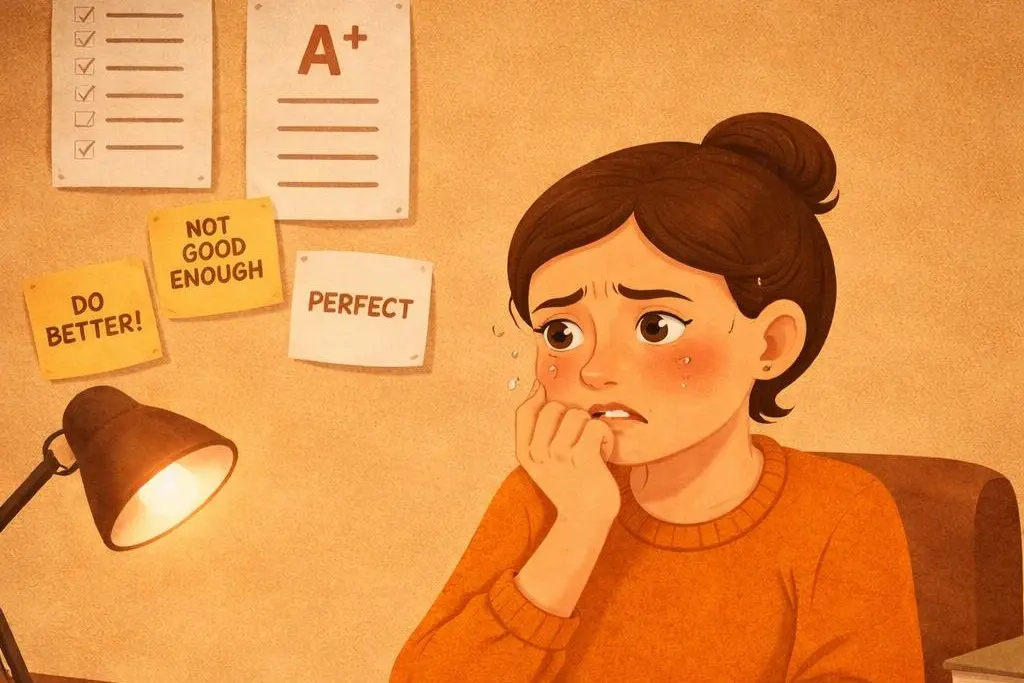
Victims of trauma bonds often internalize the blame, thinking if they could only “do better,” the abuse would stop. This is a direct result of the abuser’s conditioning, and it keeps you trapped in the cycle. Friends and family might express concern, but if you find yourself hiding the truth or defending your partner, it may indicate you’re under the influence of a trauma bond.

At its core, trauma bonding is a survival response. In environments where safety is inconsistent or unpredictable, people may form strong emotional connections as a way to cope with fear and uncertainty.

This is not limited to romantic relationships. Trauma bonds can occur in friendships, families, or even workplace dynamics where power and control are used to manipulate.

Leaving a trauma bond is incredibly challenging. Healing starts with acknowledgment and self-compassion.

Here are a few steps that can support your recovery:

Recovery is not linear, and it’s okay to grieve the loss of the relationship, even if it was harmful. As you begin to reclaim your sense of safety and identity, you’ll start to see the bond for what it

Recognizing the signs is the first brave step toward reclaiming your peace and emotional freedom. Contact us at Behr Psychology as a first step on your recovery.

Related articles

New Treatment Options

New Treatment Options

New Treatment Options

New Treatment Options

New Treatment Options

New Treatment Options

New Treatment Options

New Treatment Options

New Treatment Options

New Treatment Options

Mental Health Blog

New Treatment Options

February 1, 2026

New Treatment Options

January 15, 2026

New Treatment Options

December 15, 2025

Make your mental health a priority.

Send us a direct message