It’s one of the most common questions we hear: “How do I get my partner to agree to couples therapy?”
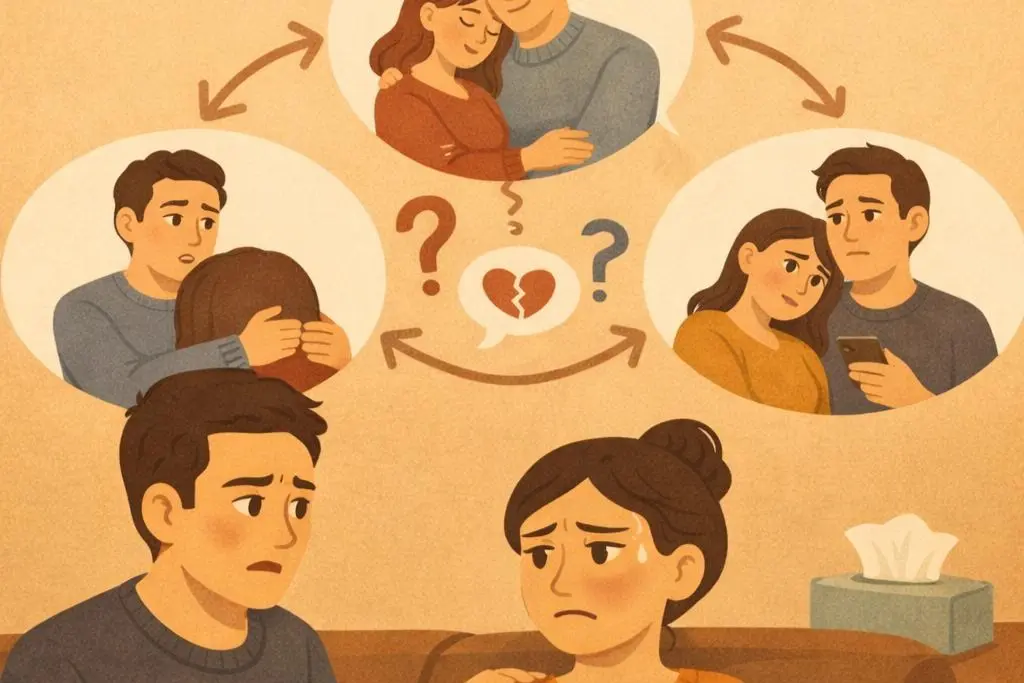
If you’re asking this, chances are something in your relationship doesn’t feel quite right. Maybe you’ve tried having open conversations, but they lead to arguments or go nowhere. Maybe you feel disconnected, stuck in cycles you can’t break. Or maybe things are mostly fine, but you want to deepen your connection, and your partner isn’t on the same page.
No matter the situation, here’s the good news: just one person caring about the relationship enough to ask this question is a powerful first step. And yes, couples therapy can help; but first, let’s talk about how to approach the idea in a way that invites openness, not defensiveness.
If your partner is hesitant about therapy, they’re not alone. Many people carry misconceptions or anxieties about what couples therapy means. Common concerns include:
“It means we’re failing.”
“The therapist will take sides.”
“We can fix this ourselves.”
“Talking about our problems will just make them worse.”
It’s also worth noting that cultural background, past therapy experiences, or fear of vulnerability can influence someone’s willingness to seek help.
Instead of labeling your partner as “unwilling” or “closed off,” try to understand what’s behind the hesitation. Resistance often masks fear, shame, or confusion, all of which can be met with empathy.
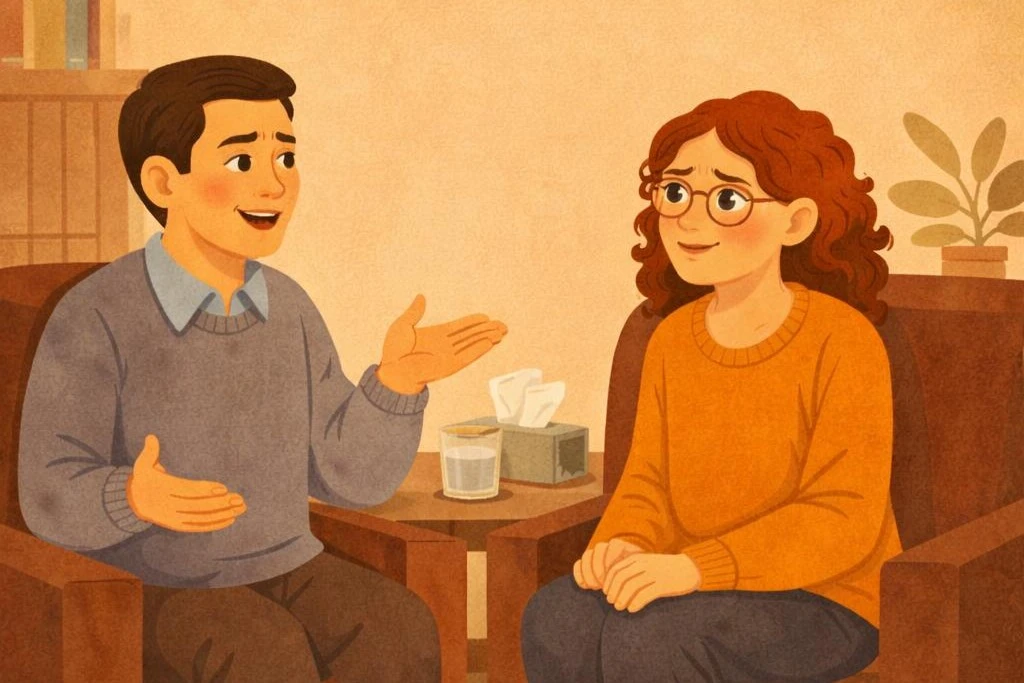
Couples therapy isn’t about blame or proving who’s right. It’s not a courtroom. It’s a collaborative space where both people are supported in understanding each other better and breaking unhelpful patterns.
According to theAmerican Psychological Association (APA), couples therapy can help partners improve communication, rebuild trust, deepen intimacy, and navigate life transitions. In fact, research shows that emotionally focused couples therapy has a success rate of about 70–75% in moving couples from distress to recovery.
So going to therapy doesn’t mean your relationship is broken. It means you care enough to invest in it.
But if you’ve brought it up gently and they still refuse, you’re not powerless.
You can start individual therapy for yourself to process your feelings and get support, model emotional openness as sometimes one partner’s growth inspires the other, and set healthy boundaries around what you’re willing to tolerate or what you need to feel secure in the relationship.
As the APA points out, even individual therapy can positively influence relationships, especially when one partner begins making meaningful changes or gaining clarity. And remember: you’re not responsible for dragging anyone to therapy. You are responsible for advocating for what you need to feel fulfilled in the relationship.
If your partner says yes (even a hesitant yes), celebrate that step. It means they care, even if they’re unsure what to expect.
At Behr Psychology, we work with couples of all backgrounds and relationship stages. Whether you’re dating, married, living together, or navigating separation we offer therapy that respects your story and works toward your goals, not a one-size-fits-all solution.
Convincing a partner to go to couples therapy isn’t about pressuring them; it’s about inviting them into a conversation about your relationship’s health.
You can’t force someone to change. But you can share how you feel, what you need, and what kind of relationship you want to build together.
And whether you start therapy as a couple or begin the journey on your own, the first step starts with reaching out.