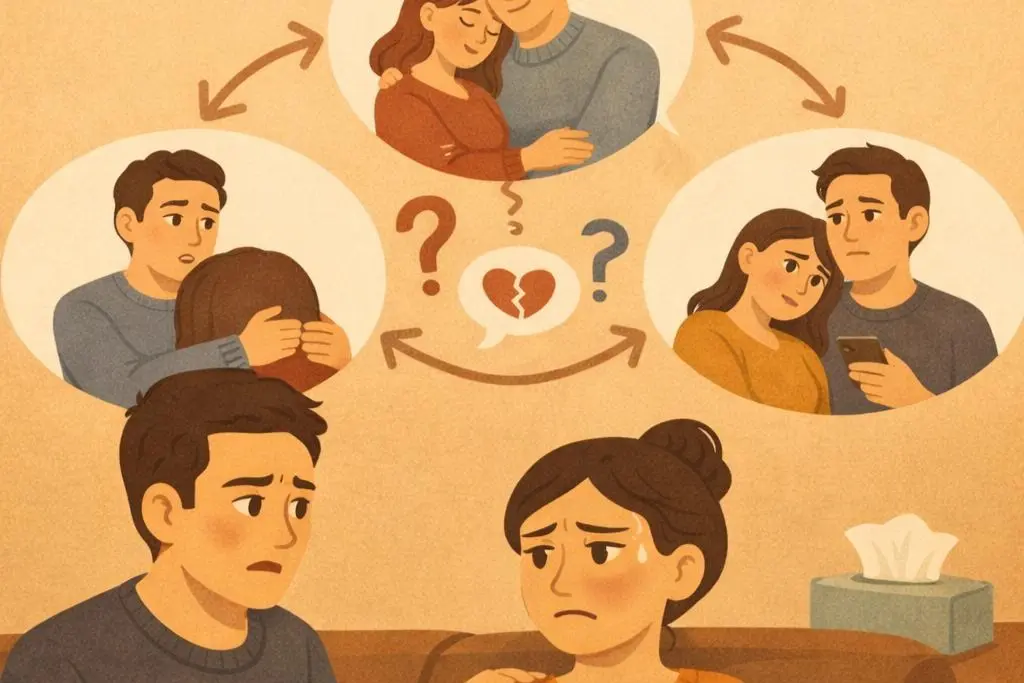

The shift to remote work has transformed the professional landscape in ways we never imagined just a few years ago. What began as a necessary adaptation during the COVID-19 pandemic has now become a long-term arrangement for many workers. On the surface, working from home offers undeniable perks—flexible hours, no commute, and the ability to work in sweatpants. But beneath these conveniences lie deeper, often hidden, mental health challenges that are quietly taking a toll on individuals and organizations alike.
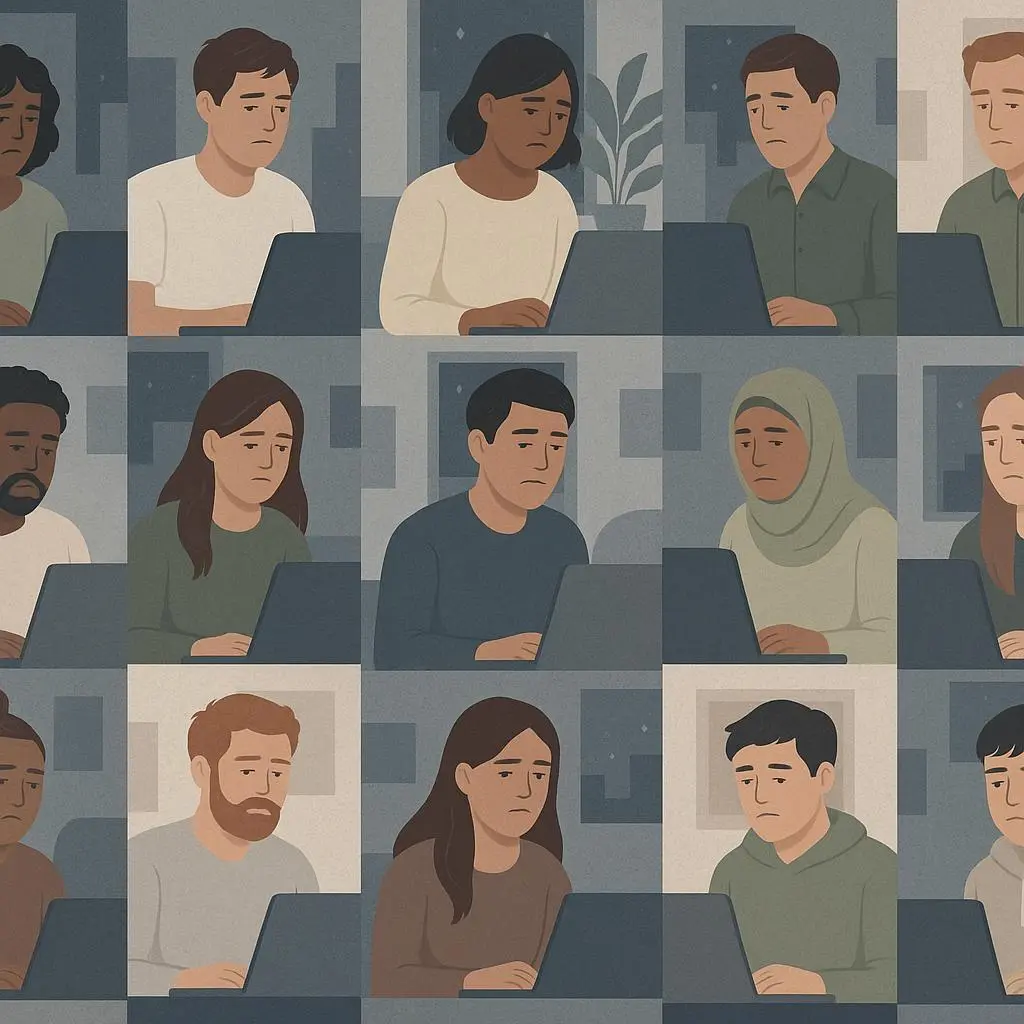
One of the most profound psychological consequences of remote work is the increased sense of isolation and loneliness. Without the spontaneous hallway chats, shared lunches, or informal meetings that occur in a traditional office, remote workers can easily feel disconnected from colleagues and the broader company culture. Research found that full-time remote workers report higher levels of loneliness, particularly when remote work is not a personal choice but a workplace mandate. This kind of social isolation can contribute significantly to depression and anxiety over time.
Another major concern is the blurring of boundaries between work and personal life. When your home becomes your office, it becomes more difficult to “clock out” both physically and mentally. People find themselves responding to emails late into the evening or feeling guilty for taking breaks during the day. A report from the American Psychological Association noted that many remote workers are struggling with burnout and stress as they try to maintain productivity without the structure of a typical workday. Without a clear delineation between professional and personal time, many are experiencing chronic stress and emotional exhaustion.
Compounding these challenges is the phenomenon known as Zoom fatigue. While virtual meetings have become essential for team communication, they also introduce a new form of mental exhaustion. Unlike face-to-face conversations, video calls require intense focus, continuous eye contact, and less access to nonverbal cues, making interactions more cognitively demanding. The Harvard Business Review points out that frequent video conferencing can lead to increased fatigue, anxiety, and a sense of social disconnection, even in meetings designed to foster collaboration.
The loss of structure and routine that often accompanies remote work can also negatively affect mental health. Regular routines—like commuting, lunch breaks, or even dressing for work—provide a sense of stability and rhythm to our days. When those routines disappear, many people experience sleep disturbances, poor eating habits, and reduced physical activity. Remote workers are significantly more likely to report disrupted sleep and lower levels of physical movement, both of which are strongly associated with depression and anxiety.
Perhaps most concerning is the fact that many remote workers who are struggling with these issues don’t speak up. In virtual work environments, it’s much easier for signs of emotional distress to go unnoticed. Without in-person cues, managers and coworkers may not realize when someone is overwhelmed or isolated. And with persistent stigma around mental health, many people hesitate to admit they’re struggling, fearing it will reflect poorly on their performance or professionalism.
The good news is that there are ways to address these challenges, both at the organizational and individual levels. Employers can help by normalizing conversations about mental health, encouraging routine and boundaries, and creating opportunities for meaningful social connection—even in virtual formats. Offering access to professional mental health support, such as Employee Assistance Programs or teletherapy options, is also a powerful step forward.
For individuals, developing a consistent daily routine, creating physical boundaries between work and home life, and scheduling regular movement or time outdoors can significantly improve well-being. And just as importantly, seeking professional support when needed can be a game-changer.
At Behr Psychology, we understand how the remote work era has reshaped the mental health landscape. If you’re feeling the weight of isolation, burnout, or emotional fatigue, you don’t have to navigate it alone. Our licensed therapists are here to support you with personalized strategies and compassionate care tailored to your needs.
We invite you to reach out today and schedule an appointment—either in person or remotely—to start feeling more grounded, connected, and in control of your mental health. Your well-being matters, and help is just a conversation away.